
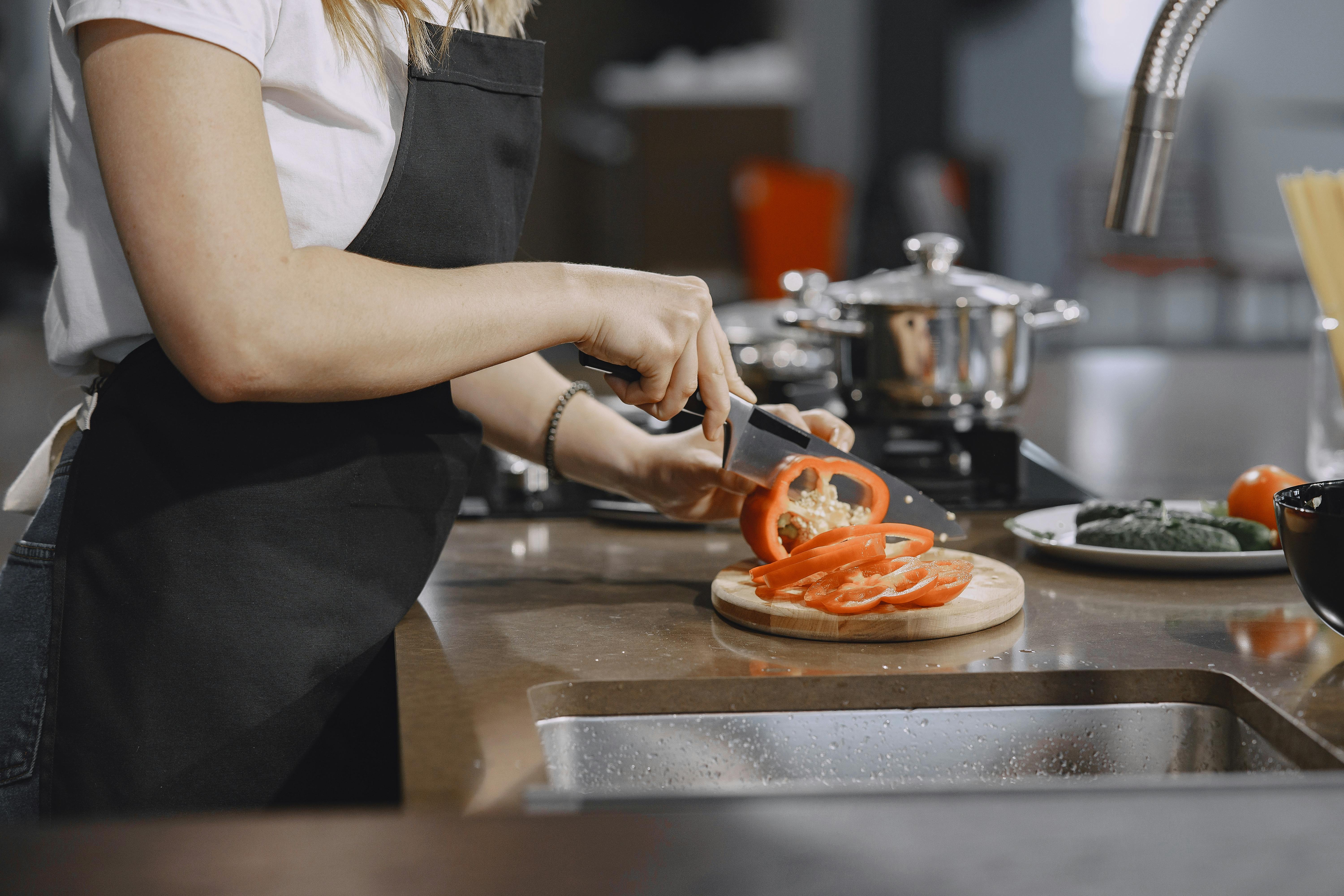
American meal prep usually means cooking complete meals in advance and portioning them. Indian home kitchens tend to prepare components instead, and the difference reflects how the food behaves in storage.
Finished dishes degrade in specific ways
Dry vegetable preparations lose their texture in the refrigerator as moisture redistributes, going from distinct browned pieces to a uniform softness.
Breads are the clearest case, since a roti is at its best within minutes and stiffens noticeably within an hour. No storage method preserves what it loses.
Fried elements soften, tempered aromatics fade, and dishes that depend on a fresh finish are the ones that suffer most. What survives storage is a narrow subset of the repertoire.
Components survive far better
Chopped onions, ginger-garlic paste, soaked lentils, boiled potatoes, ground coconut and prepared spice blends all hold their qualities well when stored properly.
Preparing these ahead removes the slow, repetitive work from the daily cooking session while leaving the parts that need to happen fresh untouched.
Freezing extends the range further, since ginger-garlic paste, grated coconut and chopped greens all hold their character in a freezer far better than a finished dish containing them would.
Assembly time is short when prep is done
Most Indian dishes cook quickly once the preparation is complete. The time cost sits in chopping, soaking and grinding rather than in the cooking itself.
A kitchen with prepared components can produce a fresh meal in the time it takes to reheat a stored one, which removes most of the incentive to store finished dishes.
This also preserves flexibility, since the same prepared components can become different dishes on different days rather than committing to a week of one thing.
Some things are deliberately made ahead
Dals, beans and slow-cooked gravies improve or hold well with time, and households do cook these in larger quantities to last more than one meal.
Preserved items work on a much longer horizon still. Pickles, spice blends and dried preparations are made in season and drawn on for months.
Translating this to a US weekly routine
A prep session that produces frozen ginger-garlic paste, chopped onions, cooked chickpeas and a ground masala covers the slow part of several weeknight meals without freezing any finished dish.
Standard refrigerated and frozen storage guidance from a food safety authority applies to all of these, particularly to cooked pulses and anything made with fresh aromatics that will be kept for more than a few days.