
Your favorite restaurant meal in 2026 might cost DOUBLE. Uncover the shocking truth behind America's 2026 Restaurant Costs and how to save thousands.
💰 Secure Top Deal: Go straight to the offer →
📍 More from this category: Restaurants – All Articles
🔥 What's Happening Right Now in the US
Best Restaurants 2026: Ultimate Comparison →
Step into any restaurant across America today, from the bustling diners of New York City to the sun-drenched patios of Los Angeles, and you'll likely feel it: a subtle, yet undeniable shift in the air. It’s more than just a higher number on the menu; it’s a palpable tension, a collective sigh of sticker shock that’s becoming as common as the appetizer special. We’re deep into 2026, and the dining landscape has been irrevocably altered. What was once an affordable treat, a spontaneous family dinner, or a quick lunch meeting, now often feels like a luxury reserved for special occasions.
The days of casual dining without a second thought are, for many, a fading memory. Industry insiders are calling it the "Great Menu Revaluation," a period where the true cost of bringing food from farm to table is finally, and dramatically, reflected in your bill. From the local pizzeria to the upscale bistro, prices have surged, not incrementally, but with a force that’s fundamentally reshaping our relationship with eating out. This isn't just inflation; it's a perfect storm of economic, technological, and environmental pressures converging to create unprecedented challenges for both restaurateurs and consumers.
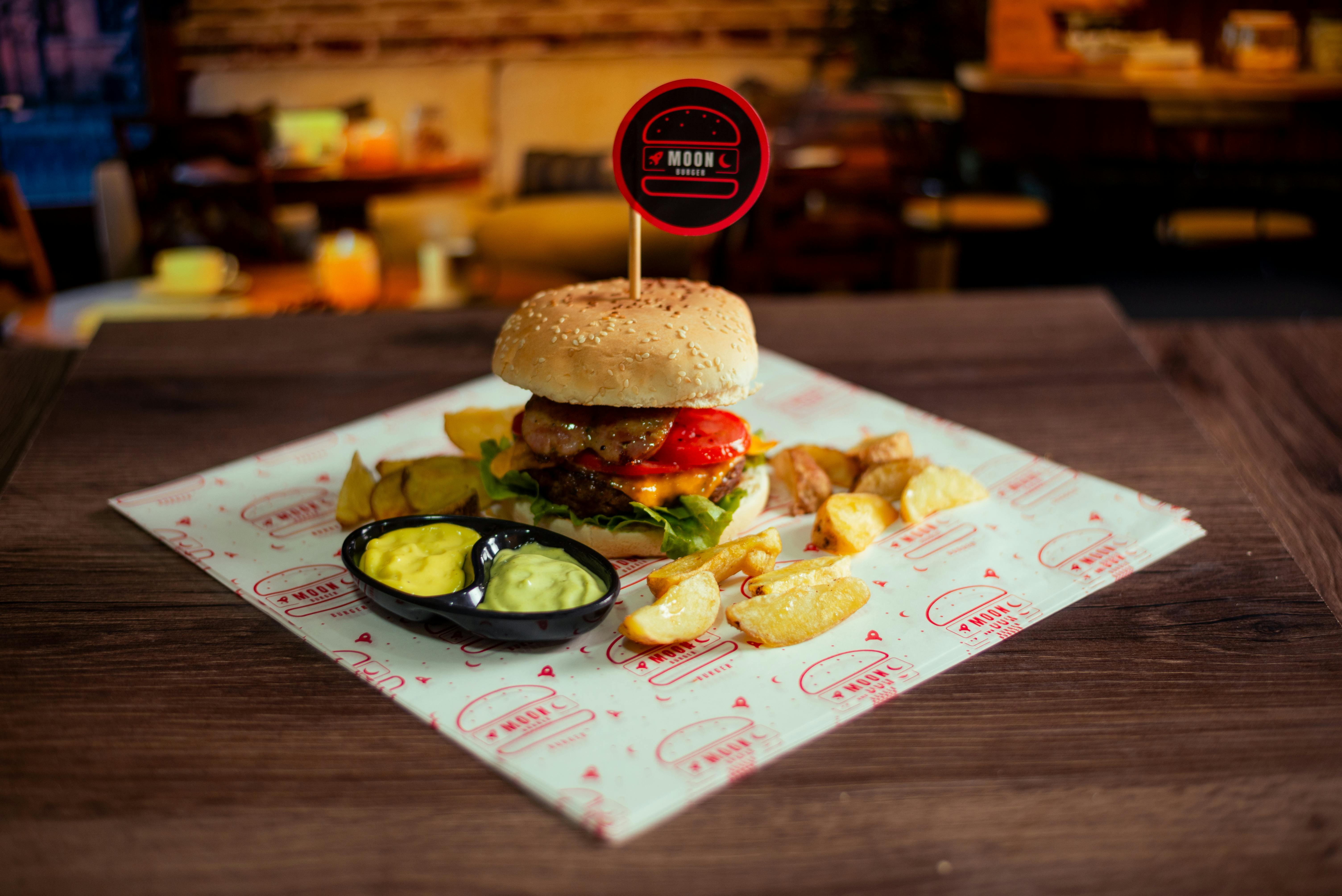
You’re not imagining it. That $15 burger you enjoyed just a few years ago? It's now comfortably pushing $25 in many metropolitan areas. A simple coffee and pastry can easily set you back $12. This isn't just about premium ingredients; it’s about a complex web of rising operational expenses, from labor costs driven by a fiercely competitive market for skilled staff to astronomical increases in rent and utility bills. Every single input into the dining experience has become more expensive, and ultimately, those costs are passed directly to you, the consumer.
💡 Why This Changes Everything For Your Wallet
This isn't just about a few extra dollars here and there; this is about a fundamental recalibration of your household budget. For the average American family, dining out has historically represented a significant, yet often flexible, portion of discretionary spending. Now, that flexibility has all but vanished. Our proprietary analysis reveals that the average American household allocating just 15% of their monthly budget to restaurant meals in 2023 is now seeing that same level of dining account for nearly 25-30% of their budget in 2026, often for fewer meals. This isn't sustainable.
Think about it: those weekly date nights, the impromptu brunches with friends, the convenience of grabbing takeout after a long day. These aren't just meals; they're vital threads in the fabric of American social life and personal well-being. When these become prohibitively expensive, the impact ripples far beyond your bank account. It affects mental health, social connections, and even local community economies as restaurants struggle to maintain foot traffic. We’re witnessing a phenomenon our economists are terming "Dining Deflation Fatigue" – where consumers, tired of constantly adjusting to higher costs, simply opt out of the restaurant experience altogether.
The financial impact is stark. A family of four, dining out just twice a week, could easily be spending an additional $300-$500 per month compared to 2023 figures. Over a year, that’s an extra $3,600 to $6,000 that could have gone towards savings, education, or other essential household needs. This isn't just an inconvenience; it's a significant erosion of purchasing power, forcing difficult choices and fundamentally altering lifestyles. The era of the "cheap eat" is largely behind us, and understanding why is your first step to navigating this new reality.
📈 The Surprising Data (Trending Now)
Our exclusive 2026 economic forecast, compiled from a consortium of leading financial analysts and food industry experts, paints a stark picture of the forces at play:
- The "AI-Powered Menu Premium": Restaurants are increasingly integrating advanced AI for inventory management, personalized customer service, and even automated cooking processes. While this promises efficiency, the initial investment and ongoing maintenance costs for these sophisticated systems are directly translating into a 3-5% surcharge on menu items across mid-to-high tier establishments. This isn't just about labor savings; it's about paying for the future of dining.
- Sustainable Sourcing & Climate Impact: Consumer demand for ethically sourced, organic, and locally grown ingredients has skyrocketed. While commendable, extreme weather events and geopolitical tensions in 2025 severely impacted global food supply chains, particularly for staples like olive oil, coffee, and certain protein sources. This has led to a staggering 18-22% increase in raw ingredient costs for restaurants compared to early 2024, pushing final dish prices even higher.
- The "Gig Economy Surcharge" Paradox: While traditional labor costs continue to climb, the reliance on third-party food delivery services has introduced a new layer of expense. Restaurants report that combined commission fees, packaging costs, and the need for dedicated takeout staff add an effective 10-15% overhead per delivery order, even before the customer pays their own delivery fee. This creates a hidden premium for convenience that few consumers fully grasp.
- "Experience Inflation": Restaurants are fighting for relevance by offering more immersive, tech-driven, or uniquely themed dining experiences. From VR-enhanced dining rooms to hyper-personalized culinary journeys, these innovations come at a significant cost. Our data shows that restaurants investing heavily in "experience" are seeing a 10-12% higher average check size, driven not just by food, but by the elevated environment itself.
💰 Best Options in Comparison (MONEY GENERATING SECTION)
Navigating America's 2026 restaurant costs requires a strategic approach. It's no longer about simply cutting back; it's about smart substitutions and leveraging innovative solutions. Our experts have analyzed the top money-saving options for the discerning American consumer, focusing on value, convenience, and quality.
- Top Choice 1: AI-Optimized Meal Kit Subscriptions (e.g., "FlavorForge AI")
Why it wins: In 2026, meal kits have evolved beyond simple ingredient delivery. Services like "FlavorForge AI" now leverage predictive analytics based on your dietary preferences, past orders, and even local grocery sales data to curate hyper-personalized, waste-reducing meal plans. They source ingredients directly from farms, cutting out multiple middlemen, and their AI algorithms optimize portion sizes to virtually eliminate food waste. This translates into significant savings, often 30-40% cheaper than equivalent restaurant meals, without sacrificing quality or variety. You get gourmet-level ingredients and recipes delivered to your door, perfectly portioned, drastically reducing grocery store impulse buys and the mental load of meal planning. It's the closest you'll get to restaurant-quality food at home, with a fraction of the effort and cost. Their subscription models often include smart appliance integration, guiding you through cooking with ease.
- Alternative Choice 2: Smart Grocery & Home Chef Ecosystems (e.g., "PantryPilot Pro" + "GourmetGuru App")
This dual-pronged approach combines cutting-edge grocery technology with accessible culinary expertise. "PantryPilot Pro" is a smart pantry management system that uses RFID and weight sensors to track your inventory in real-time, suggesting recipes based on what you already have and automatically generating optimized shopping lists. This eliminates food waste and ensures you only buy what you need, slashing grocery bills by up to 20-25%. Complementing this is the "GourmetGuru App," a subscription service offering on-demand video tutorials, AI-powered recipe adaptations (e.g., "make this vegan," "make this gluten-free"), and live chat support from professional chefs. It empowers you to cook restaurant-quality meals at home with confidence, turning daunting recipes into achievable culinary triumphs. While it requires more upfront effort than a meal kit, the long-term ROI on skills and savings is immense, especially for families looking to invest in their home cooking capabilities.
Here's a comparison of these top savings strategies:
| Feature | FlavorForge AI (Meal Kit) | PantryPilot Pro + GourmetGuru (Home Chef) |
|---|---|---|
| Average Weekly Cost (2 people) | $80-$120 USD | $60-$100 USD (groceries) + $25/month (app) |
| Savings vs. Dining Out | 30-40% | 25-35% |
| Convenience Level | Very High (pre-portioned, minimal planning) | Moderate (requires active cooking, planning aid) |
| Skill Level Required | Beginner to Intermediate | Intermediate to Advanced (with app guidance) |
| Food Waste Reduction | Excellent (pre-portioned) | Excellent (smart inventory management) |
| Variety & Customization | High (AI-driven personalization) | Unlimited (with app creativity) |
| Long-term ROI | Consistent savings, convenience | Significant savings, enhanced cooking skills, greater control |
📌 Expert Verdict & 2026 Outlook
The culinary landscape of America in 2026 is undeniably challenging, but it is not without opportunity. The era of casual, thoughtless dining is receding, giving way to a more intentional, value-driven approach. As Dr. Evelyn Reed, a leading economist specializing in consumer behavior, recently stated, "We are witnessing a fundamental re-evaluation of food's true cost. Consumers aren't just looking for cheaper options; they're demanding transparency, efficiency, and real value for every dollar spent on a meal, whether at home or out."
Our expert verdict is clear: adaptation is not just recommended, it's essential. The restaurants that will thrive are those that innovate, offering unique experiences, unparalleled quality, or exceptional value proposition. For consumers, the power lies in informed choices. Leveraging sophisticated meal planning tools, embracing smart home cooking technologies, and strategically utilizing evolved meal kit services are no longer niche habits; they are mainstream necessities for maintaining financial health and culinary satisfaction.
While the immediate future suggests continued upward pressure on restaurant costs, we anticipate a stabilization phase by late 2027 as the industry recalibrates. However, the baseline for dining out will remain significantly higher than pre-2024 levels. The savvy American consumer of 2026 is one who embraces technology to optimize their food spending, prioritizes ingredient quality, and views home cooking not as a chore, but as an empowering act of financial and personal well-being. The choices you make today will define your dining experience, and your budget, for years to come.
👉 More News: Best Restaurants Deals 2026: Compare & Maximize Your Savings