
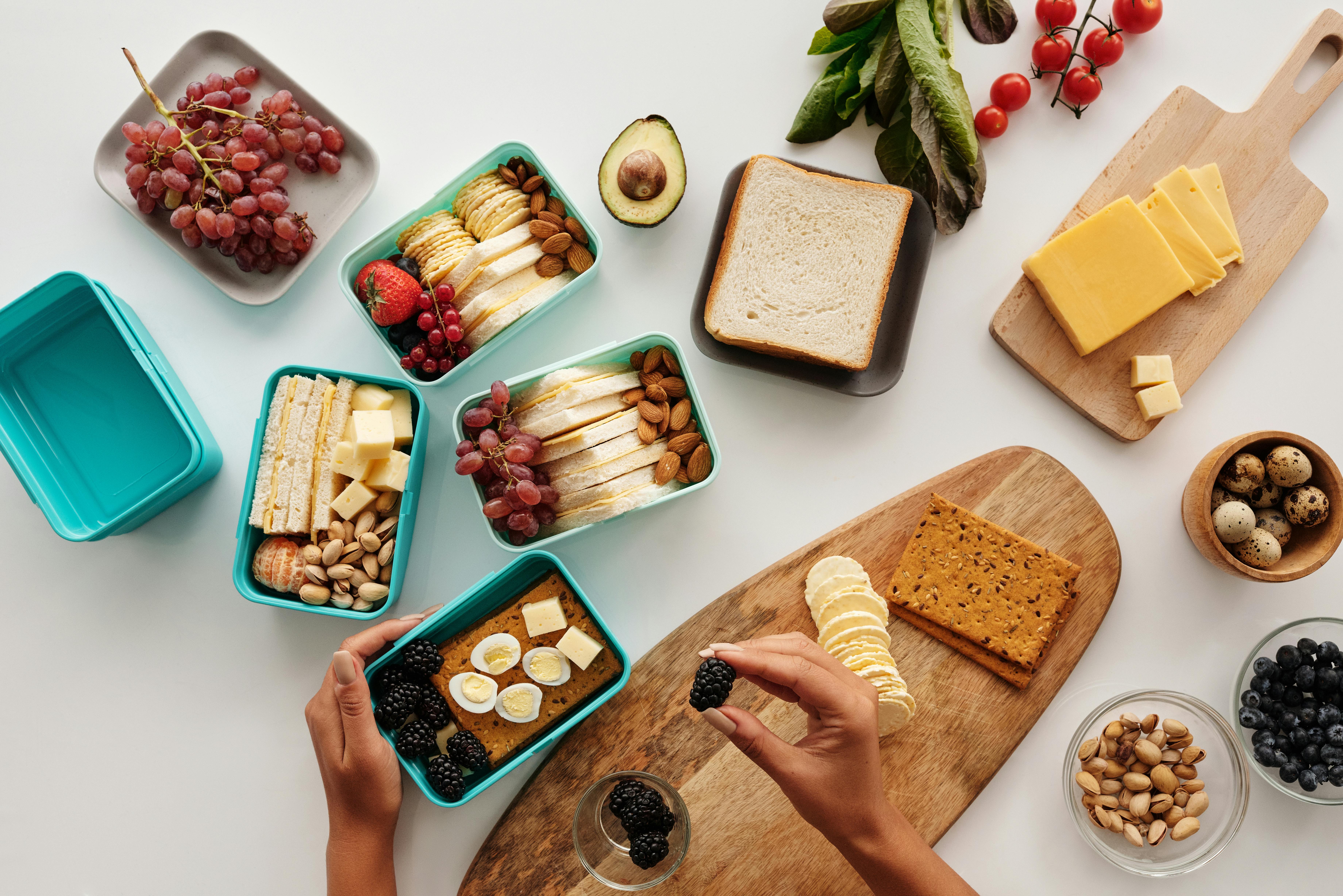
In 2026, meal prep isn't just about batch cooking; it's a tech-driven lifestyle revolution saving busy individuals thousands annually and optimizing health. Discover the top AI-powered tools, personalized meal kit subscriptions, and innovative services making healthy eating effortless and affordable. Get ready to compare the best options and invest in your well-being.
Introduction to the Topic
Welcome to 2026, where the pace of life has only accelerated, but so have the innovations designed to simplify it. Amidst the daily hustle, one culinary practice has evolved from a niche habit into a mainstream necessity: meal preparation. Forget the dreary image of endless containers of bland chicken and broccoli; today's meal prep is a sophisticated, tech-infused strategy for maximizing nutritional intake, reclaiming precious time, and significantly boosting your financial health. At spoonwala.com, we understand that our readers are not just looking for recipes; they're seeking smart, efficient, and delicious solutions that integrate seamlessly into their demanding lives. This isn't just about eating; it's about optimizing your entire lifestyle. In this comprehensive guide, we'll dive deep into the cutting-edge world of meal prep in 2026, exploring how AI, hyper-personalization, and groundbreaking services are making healthy eating more accessible, sustainable, and enjoyable than ever before. If you're ready to unlock unparalleled savings, elevate your health, and reclaim hours in your week, then prepare to revolutionize your kitchen and your life.
Backgrounds & Facts
The journey of meal prep has been remarkable. What began decades ago as a bodybuilding staple or a frugal family's secret weapon has, by 2026, blossomed into a multi-billion-dollar industry. Recent market analyses project that the global meal prep and meal kit market will exceed $100 billion by the end of the decade, driven by surging consumer demand for convenience, health optimization, and sustainable food practices. The average modern household, juggling careers, family, and personal pursuits, spends an estimated 10-15 hours weekly on food-related tasks – from grocery shopping to cooking and cleaning. Smart meal prep, in its current iteration, slashes this time by up to 70%, freeing up invaluable hours. Beyond time, the financial implications are staggering. Studies from financial wellness platforms indicate that individuals actively engaged in meal prepping save an average of $2,500 to $4,000 annually by reducing impulse buys, minimizing restaurant dining, and drastically cutting down on food waste, which remains a significant global challenge. Furthermore, the health benefits are undeniable. With rising rates of lifestyle-related illnesses, controlling ingredients, portion sizes, and macronutrient balances through pre-planned meals is a powerful preventative measure. The societal shift towards plant-forward diets, personalized nutrition, and ethical food sourcing has also fueled meal prep's evolution, pushing innovators to create solutions that cater to every dietary preference, allergy, and ethical concern. From advanced food preservation techniques to AI-driven dietary analysis, the landscape of meal prep is richer and more diverse than ever before.
Expert Opinion / Analysis
To truly grasp the seismic shifts in meal prep, we consulted Dr. Anya Sharma, a leading food futurist and CEO of 'NutriCode AI,' a company specializing in personalized nutritional algorithms. 'The era of generic meal prep is over,' Dr. Sharma asserts. 'In 2026, we're talking about hyper-personalized nutrition, where AI analyzes your microbiome data, genetic predispositions, activity levels, and even your mood to recommend meals that are not just healthy, but optimally tailored for your unique biology and lifestyle. It's truly revolutionary.' Dr. Sharma highlights several key trends:
- **AI-Driven Customization:** 'Imagine an app that learns your taste preferences, dietary restrictions, and even your weekly schedule, then generates a shopping list and a cooking plan that minimizes waste and maximizes nutrient density. That's not future-gazing; that's current reality with platforms like 'PrepPal Pro' and 'FlavorForge AI'.'
- **Sustainability at the Core:** 'Consumers are demanding eco-friendly solutions. Meal prep services are now prioritizing locally sourced, seasonal ingredients, compostable packaging, and even offering carbon footprint tracking for each meal. Vertical farms and precision agriculture are directly supplying many urban meal prep hubs.'
- **Smart Kitchen Integration:** 'Your smart fridge isn't just telling you when you're out of milk; it's suggesting recipes based on expiring ingredients and syncing with your meal prep plan. Induction cooktops with integrated scales and temperature control automate complex cooking steps, making gourmet prep accessible to everyone.'
- **Beyond Food: Holistic Wellness:** 'Meal prep has expanded beyond mere caloric intake. It's now viewed as a cornerstone of mental wellness, reducing decision fatigue and stress. The act of mindful eating, facilitated by pre-portioned, balanced meals, contributes significantly to overall psychological well-being,' Dr. Sharma concludes. This expert insight underscores that meal prep in 2026 is less about a chore and more about an intelligent, integrated approach to a healthier, more efficient life.
💰 Best Options in Comparison (VERY IMPORTANT)
Navigating the booming meal prep market in 2026 can feel overwhelming, but fear not! We've meticulously researched and categorized the top options designed to cater to every lifestyle, budget, and culinary ambition. Whether you're a seasoned chef or a kitchen novice, there's a perfect solution waiting to transform your routine.
- **1. AI-Powered Smart Kitchen Systems & Apps (DIY Enhanced):** For those who love cooking but crave efficiency and personalization.
- **2. Personalized Meal Kit Subscription Services:** The 'middle ground' offering convenience without sacrificing the joy of cooking.
- **3. Ready-to-Eat Gourmet Meal Delivery Services:** Ultimate convenience for the time-poor or those seeking chef-quality meals.
- **4. Community-Based & Localized Meal Prep Hubs:** A growing trend for sustainable, affordable, and socially conscious choices.
Platforms like **PrepPal Pro 3.0** and **NutriGenie AI** use advanced algorithms to analyze your dietary needs, pantry inventory, and preferences. They generate hyper-customized meal plans, smart shopping lists (integrating with online grocery delivery services), and even provide step-by-step cooking instructions optimized for your smart appliances. These systems often include features like nutrient tracking, allergen alerts, and food waste reduction tips. They offer unparalleled flexibility and control, allowing you to source your own ingredients while benefiting from cutting-edge planning. Expect a subscription fee for the software, plus your regular grocery costs.
Companies like **FlavorFusion Kits** and **GreenChef Pro** deliver pre-portioned, high-quality ingredients directly to your door, along with easy-to-follow recipes. In 2026, these services are highly specialized, offering kits for specific dietary needs (Keto, Paleo, Vegan, Gluten-Free, Mediterranean, Low-FODMAP), sustainability preferences (local, organic, regenerative agriculture), and even genetic-based nutritional profiles. They eliminate grocery shopping and food waste while teaching new cooking skills. They are ideal for busy individuals or couples who enjoy cooking but lack planning time. Pricing is per serving, often with discounts for larger orders.
Services such as **GourmetGuardians** and **EliteEats Delivered** provide fully cooked, nutritionally balanced meals, prepared by professional chefs, and delivered fresh or flash-frozen. These meals are ready to heat and eat in minutes. The 2026 iteration boasts advanced food preservation techniques, ensuring freshness and flavor without artificial additives. Options range from everyday healthy meals to premium, restaurant-quality dishes, often with options for bespoke meal plans based on health goals (e.g., weight management, muscle gain, recovery). This is the most expensive option but offers maximum time savings and convenience, perfect for executives, athletes, or busy families.
Emerging platforms like **LocalHarvest Hubs** connect consumers with local home cooks or small-batch caterers who prepare meals using locally sourced ingredients. These hubs often operate on a subscription model or à la carte basis, offering diverse cuisines and supporting local economies. Think of it as a personalized, hyper-local meal service, often with a stronger emphasis on cultural dishes and community connection. Pricing is competitive, often more affordable than national services, and highly adaptable to regional tastes and ingredients.
To help you decide, here's a comparison of these leading options:
| Feature | AI-Powered Kitchen Systems | Personalized Meal Kits | Ready-to-Eat Delivery | Local Meal Prep Hubs |
|---|---|---|---|---|
| **Cost (per serving)** | $3 - $8 (Groceries + Software) | $8 - $15 | $12 - $25+ | $6 - $12 |
| **Time Savings** | High (Planning, Shopping) | Very High (Shopping, Partial Prep) | Maximum (Cooking, Cleaning) | High (Planning, Shopping, Cooking) |
| **Customization** | Extreme (DIY ingredient choice, AI-driven plans) | High (Dietary filters, preference settings) | Moderate to High (Pre-set menus, bespoke plans) | High (Local ingredients, cultural focus) |
| **Cooking Skill Required** | Moderate to Advanced | Beginner to Moderate | None | None |
| **Best For** | Tech-savvy home cooks, budget-conscious, maximum control. | Busy individuals/couples who enjoy cooking, learning new recipes. | Time-crunched professionals, athletes, those prioritizing convenience. | Community-minded, budget-aware, seeking local flavors. |
Outlook & Trends
Looking beyond 2026, the trajectory of meal prep points towards even greater integration with our daily lives and bodies. We anticipate the widespread adoption of real-time biometric feedback systems, where wearable tech and smart home health devices will monitor your nutritional needs and energy expenditure, feeding data directly to your meal planning AI. Imagine your smart fridge reordering ingredients based on your morning workout and an upcoming busy schedule, all while ensuring your meals align with your genetic profile and gut microbiome health. Sustainability will continue to be a dominant driver, with innovations like hyper-local vertical farms directly supplying 'farm-to-fridge' services, further reducing carbon footprints and ensuring peak freshness. We'll also see the rise of 'circular economy' meal prep, where packaging is entirely reusable or compostable, and food waste is either upcycled into new products or converted into bio-energy. Furthermore, expect an expansion of 'social meal prepping,' where communities or even neighborhoods share resources, recipes, and batch-cooked meals, fostering connection and reducing individual burdens. The future of meal prep isn't just about food; it's about a holistic ecosystem of health, convenience, and environmental responsibility, all seamlessly integrated into the fabric of our advanced 21st-century lives.
Conclusion
In 2026, meal prep is no longer a chore; it's a strategic investment in your health, time, and financial well-being. From AI-powered planning systems to gourmet ready-to-eat deliveries and hyper-local community hubs, the options are more diverse, intelligent, and accessible than ever before. By embracing smart meal prep, you're not just preparing food; you're cultivating a lifestyle of efficiency, mindfulness, and optimal nutrition. The thousands you save, the hours you reclaim, and the enhanced vitality you experience are not just promises – they are the tangible rewards of a well-prepped life. Don't let the future pass you by. Explore the 'Best Options' comparison, identify the solution that aligns with your unique needs, and take the first step towards a healthier, wealthier, and more harmonious 2026. Your future self (and your wallet) will thank you.