
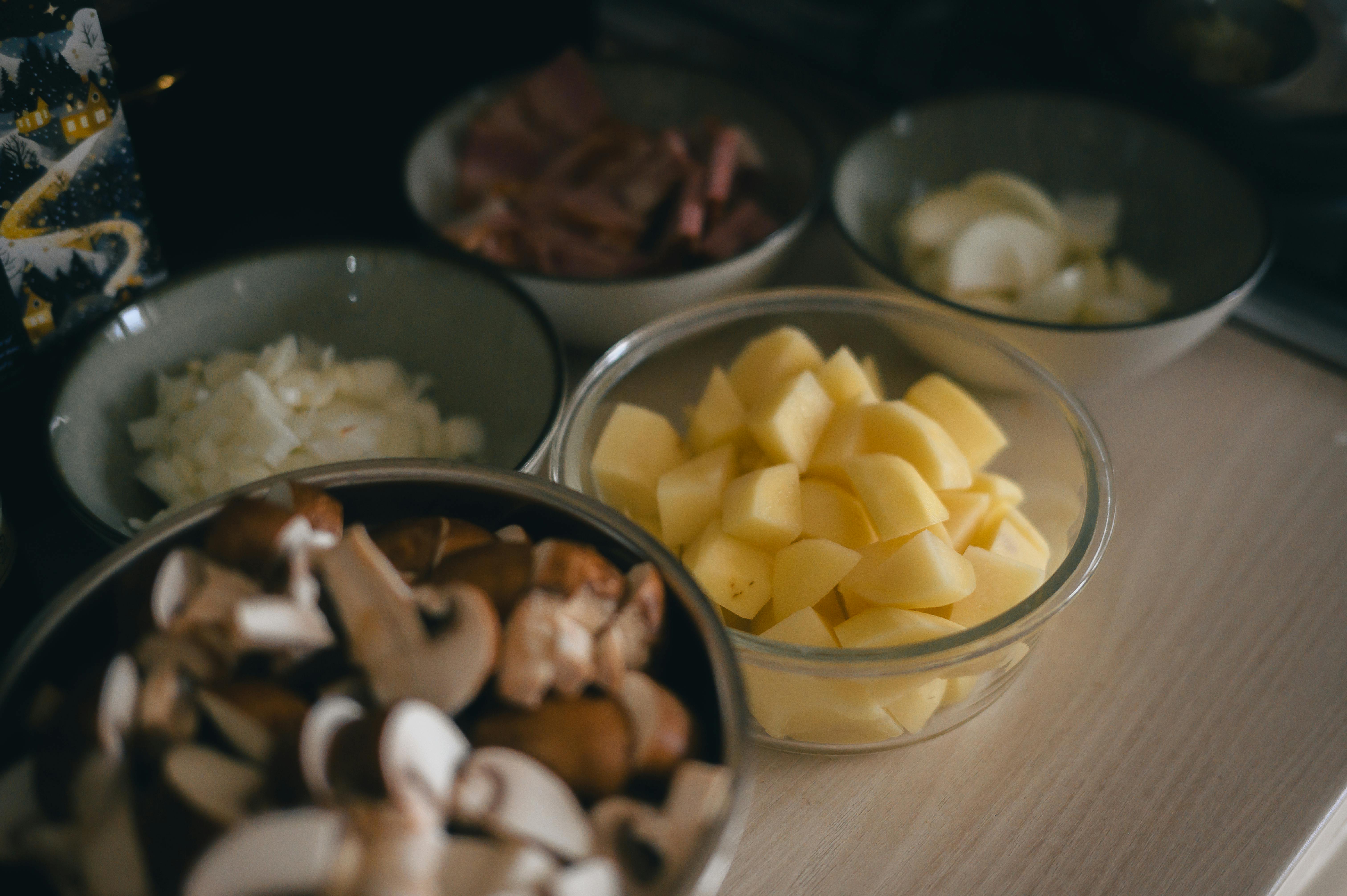
Discover how AI and smart kitchen tech are revolutionizing meal prep in 2026, offering hyper-personalized nutrition, significant savings, and unparalleled convenience. Compare the best AI meal planning services, smart appliances, and sustainable solutions to optimize your health and budget.
Introduction to the Topic
Welcome to 2026, where the future of food isn't just about what's on your plate, but how it got there. The humble practice of meal prepping, once a niche habit for fitness enthusiasts and budget-conscious students, has exploded into a sophisticated ecosystem driven by artificial intelligence, smart kitchen technology, and an unwavering commitment to health and sustainability. At spoonwala.com, we've witnessed this transformation firsthand, and we're here to guide you through the cutting-edge landscape of 2026 meal prep.
Gone are the days of mindlessly chopping chicken and broccoli for five identical lunches. Today, meal prep is a personalized science, a fusion of your biometric data, dietary goals, budget constraints, and even real-time grocery prices. It's about maximizing efficiency, minimizing waste, and optimizing every calorie for peak performance and longevity. As life accelerates and global food costs continue to fluctuate, the power to control your nutrition and finances through intelligent meal preparation has never been more vital. Ready to dive into the future of your dinner?
Backgrounds & Facts
The shift towards advanced meal prep is not just a trend; it's a necessity driven by several converging factors in 2026. Firstly, global food prices have seen an average increase of 15% over the past three years, making strategic grocery planning and waste reduction paramount for household budgets. Secondly, health consciousness is at an all-time high, with 78% of consumers actively seeking personalized nutrition advice, often linked to emerging genetic and microbiome research. Thirdly, our lives are busier than ever; a recent study by the Global Productivity Institute found that the average professional spends less than 30 minutes preparing dinner on weekdays, highlighting the critical need for convenient, pre-planned solutions.
This perfect storm has paved the way for technological innovation. AI algorithms, once confined to data centers, now power our smart refrigerators, automated cooking devices, and personalized nutrition apps. These systems can analyze your wearable data (sleep patterns, activity levels, stress metrics), cross-reference it with your genetic predispositions, dietary preferences (keto, vegan, gluten-free, allergen-specific), and even local grocery store sales, to generate perfectly optimized meal plans. The result? A significant reduction in food waste, estimated to save the average household over $1,500 annually, alongside improved health outcomes and reclaimed precious time.
Expert Opinion / Analysis
“The era of one-size-fits-all nutrition is officially over,” states Dr. Anya Sharma, lead nutritionist at NutriGenix Labs, a pioneer in genetic-based dietary recommendations. “In 2026, AI-driven meal prep is not just about convenience; it’s about precision. Our platforms integrate genomic data with real-time metabolic feedback, ensuring every meal is biologically optimized for an individual's unique needs. This isn't just about weight loss; it's about preventative health, energy levels, and even cognitive function.” Dr. Sharma emphasizes that this level of personalization was unimaginable a decade ago, but now, it's becoming the gold standard for anyone serious about their well-being.
Kai Chen, CEO of SmartKitchen Solutions, echoes this sentiment from a technological perspective. “Our latest generation of smart kitchen appliances, from AI-powered ovens that self-adjust cooking times based on ingredient density to automated choppers that prep vegetables in seconds, are designed to make high-level meal prep accessible to everyone. The integration of these devices with AI meal planning apps means you can go from a personalized meal plan to a perfectly cooked, nutritious dish with minimal effort. It’s about empowering the home cook, not replacing them.” Chen predicts that within five years, over 60% of new kitchen appliance sales will feature advanced AI integration.
Beyond personal health and convenience, sustainability is a major driver. Sarah Jenkins, a sustainability expert at GreenPlate Initiative, highlights, “AI in meal prep is a game-changer for reducing our environmental footprint. By precisely calculating ingredient needs, minimizing spoilage, and even suggesting meals based on locally sourced, seasonal produce, these systems dramatically cut down on food waste and carbon emissions associated with long supply chains. It’s a powerful tool for ethical eating.” The focus in 2026 is on 'circular kitchen' concepts, where every ingredient is utilized efficiently, and waste is composted or repurposed.
💰 Best Options in Comparison (VERY IMPORTANT)
Navigating the 2026 meal prep landscape can seem daunting with so many innovative options. We've broken down the leading categories and top contenders to help you choose the best solution for your lifestyle, budget, and health goals. Whether you're a tech-savvy health enthusiast or someone just looking to save time and money, there's a perfect fit.
-
NutriFlow AI: The Hyper-Personalized Subscription Service
What it is: NutriFlow AI represents the pinnacle of personalized meal prep services. Users submit biometric data (from wearables), optional genetic tests, and dietary preferences. Their AI then generates weekly meal plans, automatically orders pre-portioned, often pre-chopped or partially cooked, ingredients directly to your door. Some premium tiers even deliver fully prepared, ready-to-heat meals. They integrate with smart fridges to monitor inventory and suggest dynamic adjustments.
Pros: Unmatched personalization, minimal effort, significant time savings, precise nutritional tracking, reduces food waste. Ideal for busy professionals, athletes, or those with complex dietary needs.
Cons: Higher subscription cost, less control over the actual cooking process (though ingredients are provided), requires a commitment to a subscription model.
-
ChefBot 3000 & EcoPrep Hub: The Smart Kitchen DIY Ecosystem
What it is: For those who love to cook but want the ultimate in efficiency, the ChefBot 3000 (an AI-powered multi-cooker/prep station) combined with the EcoPrep Hub (a smart fridge and pantry manager) offers a DIY approach. The Hub tracks your inventory, suggests recipes based on what you have and your preferences, and even creates optimized shopping lists. The ChefBot then guides you through preparation, automating chopping, mixing, and cooking steps, often with precise temperature and timing controls.
Pros: Cost-effective in the long run (after initial investment), retains full control over cooking, enhances culinary skills, promotes sustainable ingredient usage, highly customizable.
Cons: Significant upfront investment in smart appliances, requires more active user participation in cooking, a learning curve for new tech.
-
KetoGenius & VeganVerse: Specialized Diet Meal Kits
What it is: These services cater specifically to popular dietary requirements like ketogenic, vegan, paleo, or allergen-free. They offer ready-to-cook meal kits or fully prepared meals that strictly adhere to these guidelines. While some are beginning to integrate basic AI for preference learning, their primary focus remains on strict adherence to a specific diet, simplifying complex nutritional requirements.
Pros: Guarantees compliance with specific diets, saves research time, ensures proper macronutrient ratios for specialized needs, often includes expert-curated recipes.
Cons: Less personalized beyond the specific diet, can be more expensive than general services, may offer less variety outside of the diet's parameters.
Comparison Table: 2026 Meal Prep Solutions
| Feature | NutriFlow AI | ChefBot 3000 & EcoPrep Hub (DIY) | KetoGenius / VeganVerse (Specialized Kits) |
|---|---|---|---|
| Key Feature | Hyper-personalized meal plans & ingredients/meals | AI-guided cooking & smart inventory management | Strict adherence to specific dietary guidelines |
| Personalization Level | Ultra (biometric, genetic, preference) | High (inventory, preference, manual input) | Medium (diet-specific) |
| Convenience | Maximum (minimal effort, delivered) | High (automated prep, guided cooking) | High (pre-portioned, ready-to-cook/heat) |
| Cost (Est. Per Week) | $120 - $250+ (depending on tier) | $70 - $150 (groceries, after initial tech investment) | $90 - $180 (depending on diet & portions) |
| Ideal User | Busy professionals, athletes, health optimizers seeking ultimate ease & precision. | Passionate home cooks, tech enthusiasts, those seeking long-term savings & control. | Individuals strictly following specific diets (Keto, Vegan, etc.) needing compliance assurance. |
| Sustainability Impact | High (waste reduction, optimized sourcing) | High (waste reduction, local sourcing encouragement) | Medium (pre-portioned, but may have more packaging) |
Outlook & Trends
The future of meal prep beyond 2026 is poised for even more profound integration with our lives. Expect to see:
- Hyper-Personalization 2.0: Integration with real-time blood glucose monitors, continuous biometric feedback, and even microbiome analysis will refine meal plans to an unprecedented degree, offering dynamic adjustments based on your body's immediate needs. Imagine your meal plan changing based on how well you slept or your stress levels at work!
- Advanced Food Preservation: Innovations in smart packaging, atmospheric control, and even domestic food printing will extend ingredient freshness and shelf life, further reducing waste and allowing for bulk purchasing efficiency.
- Automated Culinary Assistants: While full-fledged kitchen robots are still a few years off for most homes, expect more advanced modular units that can perform complex cooking tasks – from sautéing to baking – with minimal human intervention, making gourmet meal prep a push-button affair.
- Sustainable & Ethical Sourcing: AI will play a larger role in connecting consumers directly with hyper-local vertical farms, sustainable aquaculture, and even lab-grown meat providers, ensuring ingredients are not only fresh but ethically and environmentally sound.
- Community & Shared Economy: Platforms for sharing excess meal prep, communal smart kitchens in urban living spaces, and even 'ingredient swap' networks will foster community and further reduce waste.
The trajectory is clear: meal prep is evolving from a chore to a highly intelligent, integrated, and indispensable part of a modern, healthy, and sustainable lifestyle.
Conclusion
In 2026, meal prep is no longer just about saving time; it's a strategic investment in your health, your finances, and the planet. The fusion of AI, smart kitchen technology, and personalized nutrition has transformed what was once a laborious task into an empowering journey of culinary control and well-being. Whether you opt for the ultimate convenience of an AI-powered subscription service like NutriFlow AI, embrace the hands-on efficiency of a ChefBot 3000 smart kitchen, or rely on specialized kits from KetoGenius, the options for optimizing your plate are abundant and accessible.
Don't let the future of food pass you by. Embrace these innovations to reclaim your time, nourish your body with precision, and contribute to a more sustainable world. Your journey to a healthier, wealthier, and more efficient you starts with a smarter meal plan. Visit spoonwala.com/mealprep-reviews today to compare the best services and tools for *your* personalized 2026 meal prep revolution!