
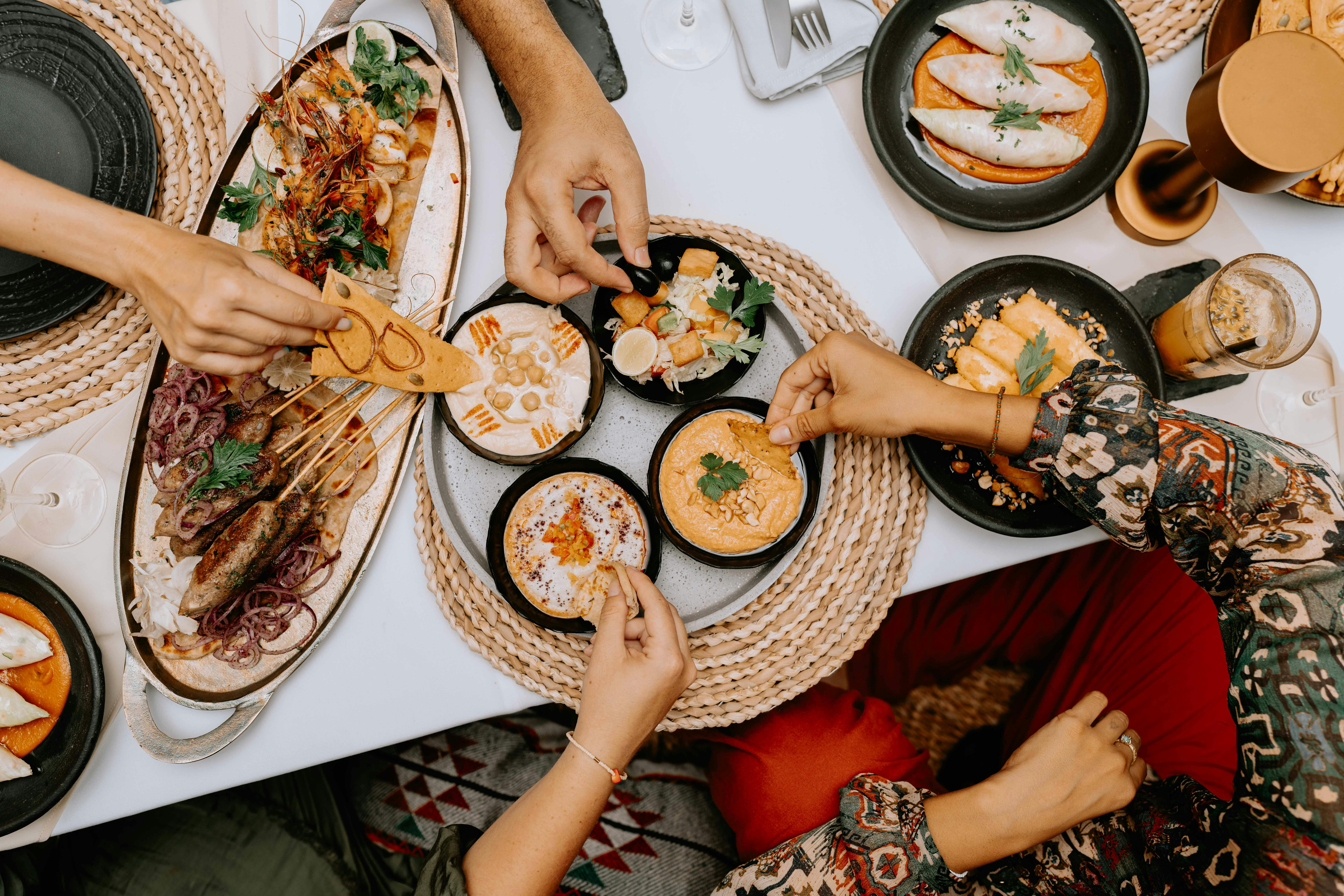
Embark on a gastronomic journey! Discover the hottest culinary travel trends of 2026, from immersive cooking classes in Tuscany to street food tours in Bangkok. This guide helps you compare and book the best food tours, luxury culinary packages, and authentic dining experiences worldwide, optimizing for your palate and budget. Unlock exclusive deals and plan your next unforgettable foodie adventure with our expert recommendations and comparison table.
Introduction to the Topic
The year is 2026, and the world has never been more connected, nor has our collective appetite for authentic experiences been more insatiable. Forget passive sightseeing; the modern traveler demands immersion, and nowhere is this more true than in the realm of food. Culinary tourism, once a niche pursuit, has exploded into a global phenomenon, transforming how we explore cultures and connect with communities. From the bustling spice markets of Marrakech to the serene vineyards of Bordeaux, the call of the plate is louder than ever.
As we navigate a world where personalized experiences reign supreme, the art of booking the perfect food adventure has become a crucial skill. Whether you're a seasoned gourmand seeking Michelin-starred marvels or an adventurous eater craving the most authentic street food, 2026 offers an unprecedented array of options. This comprehensive guide from Spoonwala.com is your essential roadmap to navigating this delicious landscape, helping you compare, choose, and book the gastronomic journey of your dreams. We'll dive deep into the trends shaping culinary travel, spotlight expert insights, and, most importantly, provide actionable advice and comparisons to ensure your next food adventure is nothing short of extraordinary.
Backgrounds & Facts
The surge in culinary tourism isn't just a fleeting trend; it's a fundamental shift in how people experience travel. Post-2020, travelers prioritized meaningful connections and unique local insights, with food emerging as the ultimate universal language. By 2026, industry reports indicate that culinary tourism accounts for over 25% of all international travel expenditure, with growth projections continuing to climb at an astonishing rate. This isn't merely about dining out; it's about hands-on cooking classes, market visits with local chefs, farm-to-table experiences, and even foraging expeditions.
Several factors fuel this boom. Firstly, the democratization of information through social media and food blogs has ignited a global curiosity for diverse cuisines. Travelers arrive with a heightened awareness and specific culinary bucket lists. Secondly, a greater emphasis on sustainability and supporting local economies has made authentic, community-led food experiences more appealing than ever. Booking a small-group cooking class directly benefits local families and preserves traditional techniques. Thirdly, the rise of personalized travel planning, often aided by AI, allows for hyper-tailored itineraries that cater to specific dietary needs, interests, and budget levels, making high-end gastronomic experiences accessible to a broader audience.
From the 'slow food' movement gaining traction in Italy to the 'food tech' innovations reshaping dining in Tokyo, 2026 showcases a diverse tapestry of culinary exploration. Travelers are increasingly seeking out destinations renowned not just for their landmarks, but for their unique food identity – think Mexico City for its vibrant street food scene, Peru for its groundbreaking fusion cuisine, or Vietnam for its fragrant pho and fresh spring rolls. The market for specialized food tours, cooking vacations, and wine-tasting excursions has matured, offering options for every palate and budget, making it easier than ever to book your next delicious escape.
Expert Opinion / Analysis
We sat down with Dr. Anya Sharma, a leading expert in Gastronomy and Tourism at the Global Institute of Culinary Arts, to get her insights into the 2026 culinary travel landscape. "What we're seeing now is a profound evolution," Dr. Sharma explains. "Travelers are moving beyond simply 'eating' in a new place; they want to 'understand' it through its food. This means a greater demand for immersive, educational experiences. We're talking about multi-day culinary retreats, deep dives into regional culinary history, and even 'food archeology' tours where you trace the origins of specific ingredients."
Dr. Sharma highlights several key trends for aspiring food travelers in 2026:
- Hyper-Local & Ancestral Cuisines: "There's a significant pull towards incredibly specific, often rural or indigenous, food traditions. Think not just 'Italian food,' but 'Sardinian shepherds' cuisine,' or 'Oaxacan pre-Hispanic dishes.' Travelers are actively seeking out these unique, often endangered, culinary arts."
- Sustainability & Ethical Sourcing: "The conscious consumer is now the conscious traveler. People want to know where their food comes from, how it's produced, and that their culinary journey supports ethical practices. Tour operators that partner directly with sustainable farms, fishing communities, and fair-trade cooperatives are seeing immense popularity." This drives bookings towards transparent, responsible operators.
- Personalized Palates Powered by AI: "AI-driven recommendation engines are becoming incredibly sophisticated. They can analyze your past dining preferences, dietary restrictions, and even culinary aspirations to curate bespoke itineraries. This means less guesswork and more perfect matches when you're looking to book a unique experience."
- Wellness & Culinary Integration: "We're seeing a fusion of wellness retreats with culinary exploration. Imagine a yoga retreat in Bali that incorporates traditional Indonesian cooking classes focusing on medicinal herbs, or a hiking trip in the Alps with gourmet plant-based meals prepared by a local chef. These holistic experiences are gaining traction."
"My advice? Don't just book a flight; book an experience," Dr. Sharma concludes. "Invest in a tour that connects you with local experts, allows you to get your hands dirty, and leaves you with more than just a full stomach – it should leave you with a deeper understanding of the world." This emphasis on value-driven, authentic engagement directly influences purchasing decisions for high-quality, immersive culinary services.
💰 Best Options in Comparison (VERY IMPORTANT)
Choosing the right culinary adventure can be daunting with so many options available in 2026. To help you book your perfect trip, we've broken down the leading types of services, highlighting their pros, cons, and ideal traveler profiles. Remember, prices are indicative and can vary wildly based on destination, duration, and level of luxury.
-
1. Luxury Culinary Tour Operators (e.g., Gourmet Expeditions, Abercrombie & Kent Culinary Journeys)
Who it's for: Travelers seeking an all-inclusive, high-end, hassle-free experience with top-tier accommodations, exclusive access to Michelin-starred chefs, private tastings, and curated itineraries. Ideal for those with a generous budget looking for unparalleled comfort and white-glove service.
What you get: Expert-led tours, often small groups, focusing on specific regions (e.g., 'A Week in Provence's Gastronomy'). Includes flights, transfers, luxury hotels, all meals (often at renowned restaurants), cooking demonstrations, and unique cultural excursions. Many offer bespoke customization options.
Why book: Convenience, exclusivity, and access to experiences not available to the general public. Perfect for a special occasion or when you want every detail handled.
-
2. Experiential Cooking Class & Workshop Platforms (e.g., Cookly, Traveling Spoon, LocalBites)
Who it's for: Hands-on learners and those looking for deep cultural immersion without the full tour package commitment. Ideal for solo travelers, couples, or small groups wanting to learn specific culinary skills directly from locals.
What you get: A single day or multi-day cooking class, often hosted in a local home or professional kitchen. Includes market visits, ingredient sourcing, hands-on cooking, and enjoying the meal you prepared. Focus can range from street food to regional specialties. Many platforms offer verified reviews and secure online booking.
Why book: Authentic cultural exchange, practical skill development, flexibility to integrate into a broader travel itinerary, and generally more budget-friendly than full tours. These platforms facilitate direct booking with local hosts.
-
3. DIY Foodie Itinerary Builders & Booking Aggregators (e.g., Palate Pathfinder AI, FoodieFinds, Viator/GetYourGuide Culinary Sections)
Who it's for: Independent travelers who love planning, budget-conscious explorers, or those who want to mix and match various culinary activities with other sightseeing. Ideal for maximum flexibility and personalization.
What you get: Access to a vast database of individual food tours, restaurant reservations, street food walks, wine tastings, and even private chef experiences. AI-powered tools can help suggest itineraries based on your preferences. You book each component separately, allowing for granular control over your trip.
Why book: Ultimate flexibility, competitive pricing through comparison, ability to curate a truly unique and personalized experience. Perfect for those who enjoy the research and booking process themselves.
To help you make an informed decision and book the best option for your next adventure, here's a comparison table:
| Feature | Luxury Tour Operators | Cooking Class Platforms | DIY Aggregators |
|---|---|---|---|
| Price Range (Per Person) | $$ (5,000+ USD) | $ (50-300 USD per class) | $-$$ (Variable) |
| Immersion Level | High (Curated, exclusive access) | Very High (Hands-on, local host) | Medium to High (Depends on activity) |
| Convenience | Excellent (All-inclusive, no planning) | Good (Easy booking, self-contained) | Moderate (Requires personal planning) |
| Customization | Moderate to High (Bespoke options) | Low (Choose from available classes) | Excellent (Build your own itinerary) |
| Ideal Traveler | Luxury seekers, special occasions | Hands-on learners, cultural explorers | Independent, budget-conscious planners |
| Booking Method | Direct via operator's site/agent | Platform websites (e.g., Cookly.com) | Aggregator sites (e.g., Viator.com) |
Ready to book? Consider your budget, desired level of immersion, and planning preference. Each option offers a unique pathway to unlocking the world's most incredible flavors. Clicking through to these platforms or operators directly can often yield exclusive discounts and early bird booking advantages for 2026 travel.
Outlook & Trends
Looking ahead, the culinary travel landscape of 2026 and beyond promises even greater innovation and personalization. Expect to see an even stronger integration of technology, with AI playing a pivotal role in crafting hyper-personalized gastronomic itineraries. Imagine an AI that not only suggests restaurants based on your preferences but also books your cooking classes, arranges private farm tours, and even recommends local wines based on your past ratings. Virtual reality (VR) and augmented reality (AR) are also set to enhance the pre-booking experience, allowing travelers to 'preview' a market or a cooking school before they even leave home, driving conversion rates for immersive experiences.
The focus on 'regenerative tourism' will intensify, meaning culinary tours will increasingly aim to leave destinations better than they found them. This includes initiatives like supporting local food banks, participating in sustainable farming projects, and promoting indigenous culinary heritage. Niche dietary travel (vegan, gluten-free, halal, kosher) will become mainstream, with specialized tours and booking options readily available. Furthermore, the rise of 'culinary digital nomads' will create demand for longer-term, work-integrated food experiences, allowing individuals to live and work in a destination while fully immersing themselves in its food culture. The future of food travel is not just about eating; it's about learning, contributing, and transforming through taste.
Conclusion
The world of culinary travel in 2026 is richer, more diverse, and more accessible than ever before. Whether you dream of mastering pasta making in Rome, exploring the vibrant spice routes of India, or indulging in the exquisite omakase of Kyoto, your perfect food adventure awaits. By understanding the different booking options, leveraging expert advice, and considering your personal preferences, you can confidently plan and book a trip that will tantalize your taste buds and enrich your soul.
Don't just dream about global flavors – go out and experience them! Use this guide to compare the best food tours and culinary packages, find exclusive deals, and secure your spot on an unforgettable journey. The investment in a culinary adventure is an investment in unforgettable memories, new skills, and a deeper connection to the world. Start planning your 2026 gastronomic escape today and prepare to taste the extraordinary!