
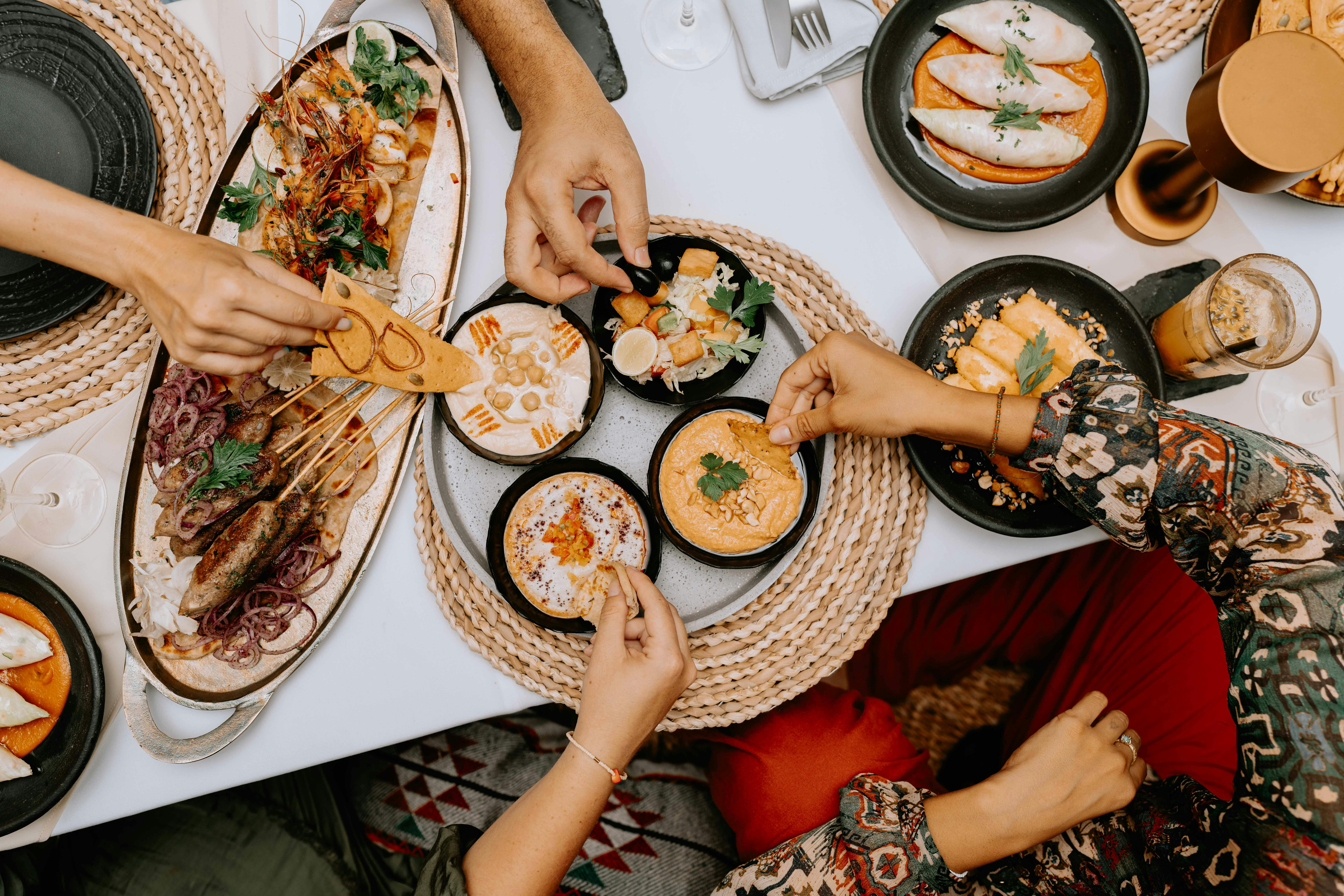
In 2026, the global palate craves more than just national dishes. Dive deep into the captivating world of hyper-regional cuisine, where authentic flavors, unique ingredients, and centuries-old traditions come alive. Discover the best culinary travel experiences, gourmet ingredient subscriptions, and online cooking classes to explore these hidden gems, perfect for the discerning foodie with purchasing intent. Optimize your culinary journey with our expert guide to booking the ultimate authentic global food experiences.
Introduction to the Topic
For years, our culinary explorations have been broadly defined by national borders – Italian, Mexican, Japanese. But as we step into 2026, a more nuanced, deeply authentic trend has captivated the global gastronomic scene: hyper-regional cuisine. This isn't just about 'Italian food'; it's about the specific, vibrant flavors of Puglia, the unique seafood traditions of Galicia, or the ancient mole recipes of Oaxaca. Food lovers are no longer satisfied with generalities; they crave the granular, the local, the story behind every dish from a specific village or valley.
This shift reflects a broader societal yearning for authenticity, connection, and sustainable practices. Post-pandemic travel has instilled a desire for more meaningful, immersive experiences, and culinary tourism has responded by going hyper-local. Social media platforms, with their emphasis on visual storytelling, have also played a pivotal role, bringing obscure regional delicacies and their passionate creators into the global spotlight. Spoonwala.com is here to guide you through this exciting evolution, helping you discover not just what to eat, but where it truly comes from, and how you can bring these unparalleled experiences into your life.
Backgrounds & Facts
The concept of regional cuisine isn't new, but its current prominence and accessibility are unprecedented. Historically, food traditions developed in isolation, shaped by local climate, available ingredients, and cultural exchanges. These micro-climates and unique historical trajectories created distinct culinary identities, often within mere miles of each other. Think of Italy, a nation unified relatively recently, whose gastronomic map remains a patchwork of fiercely proud regional identities – from the butter-rich north to the olive oil-drenched south, each region boasting its own pasta shapes, sauces, and celebratory dishes.
Today, this rich tapestry is being celebrated like never before. Advanced logistics make sourcing niche ingredients from remote corners of the world possible, while digital platforms connect home cooks with regional chefs. Culinary tourism, once a niche market, has exploded, with travelers actively seeking out specific food festivals, local markets, and family-run trattorias that preserve these traditions. The economic impact is significant, empowering local farmers, artisans, and small businesses who are the custodians of these culinary heritages.
Consider these compelling examples of hyper-regional excellence:
- Oaxaca, Mexico: Renowned as the 'Land of Seven Moles,' Oaxaca's cuisine is a UNESCO Intangible Cultural Heritage. Beyond its complex, ancient mole sauces, you'll find tlayudas (giant crispy tortillas), chapulines (grasshoppers), and mezcal production steeped in ancestral traditions. It’s a culinary pilgrimage for those seeking deep pre-Hispanic flavors.
- Sicily, Italy: More than just Italian, Sicilian cuisine is a vibrant fusion of Arab, Greek, and Norman influences. From street food like arancini (fried rice balls) and panelle (chickpea fritters) to pasta alla Norma and the iconic cannoli, its flavors are distinctively Mediterranean, sun-drenched, and utterly unforgettable.
- Basque Country, Spain/France: Straddling two nations, the Basque region boasts a unique culinary identity centered around its famous pintxos (small, often elaborate snacks), fresh seafood, and Michelin-starred dining scene in cities like San Sebastián. Their cider houses (sagardotegiak) and 'txokos' (private gastronomic societies) offer unparalleled communal dining experiences.
- Kyoto, Japan: While Japan is celebrated for sushi and ramen, Kyoto offers a refined, elegant 'Kyo-ryori' cuisine. This includes exquisite kaiseki multi-course meals, delicate yuba (tofu skin) dishes, and a deep appreciation for seasonal ingredients and presentation that reflects centuries of imperial court traditions.
These regions aren't just selling food; they're offering a taste of their history, their community, and their soul.
Expert Opinion / Analysis
“The hyper-regional trend isn't a fad; it's a recalibration of our relationship with food,” explains Dr. Anya Sharma, a leading food anthropologist and author of 'Global Palates, Local Roots' (2025). “In an increasingly globalized world, there's a powerful human need to connect with something authentic, something rooted in a specific place and time. Hyper-regional cuisine provides that anchor. It’s about the terroir, the specific micro-climate, the ancestral techniques passed down through generations. It tells a story that mass-produced food simply cannot.”
This deep dive into local flavors also aligns perfectly with growing consumer demands for sustainability and ethical sourcing. When you explore Oaxacan mole, you're not just tasting spices; you're supporting local farmers who cultivate heritage chiles and cacao. When you savor a Sicilian arancino, you're investing in the local economy and the continued preservation of traditional recipes. The transparency inherent in hyper-regional food experiences appeals to the conscious consumer of 2026.
Furthermore, technology, particularly AI-driven travel planning and enhanced logistical networks, has made accessing these niche experiences easier than ever. AI can now personalize culinary itineraries, recommend hidden gems based on your taste profile, and even translate complex regional menus on the fly. This fusion of ancient tradition and modern innovation is what truly sets the 2026 culinary landscape apart.
💰 Best Options in Comparison (VERY IMPORTANT)
Ready to embark on your own hyper-regional culinary adventure? Whether you're planning a trip or want to bring these exquisite flavors into your kitchen, we've curated the best options to satisfy your purchasing intent for authentic global food experiences.
- Immersive Culinary Travel Experiences: For the ultimate immersion, nothing beats traveling directly to the source. Companies like 'Gourmet Expeditions Co.' and 'Taste of Heritage Tours' specialize in curated trips that include hands-on cooking classes with local chefs, market visits, vineyard tours, and dining at exclusive regional eateries. These are often small-group tours, ensuring an intimate and authentic experience. Expect to spend a week or more truly living the local food culture.
- Curated Regional Ingredient Subscription Boxes: Can't travel just yet? Bring the world to your kitchen! Services like 'Global Pantry Box' and 'Flavor Journey Subscriptions' deliver ethically sourced, specialty ingredients directly from specific regions to your doorstep. Each box typically includes unique spices, sauces, grains, and recipes, allowing you to recreate authentic dishes at home. It’s a fantastic way to discover new flavors and support international producers.
- Interactive Online Masterclasses with Regional Chefs: Learn directly from the masters. Platforms such as 'Culinary Connect Global' and 'Authentic Flavors Academy' offer live and on-demand cooking classes taught by renowned regional chefs. Imagine a Sicilian nonna teaching you to make pasta alla Norma from her kitchen, or a Basque chef guiding you through pintxo creation. These classes often provide ingredient lists and tips for sourcing, making them accessible and flexible.
Here’s a comparison to help you choose your ideal pathway to hyper-regional culinary bliss:
| Feature | Culinary Travel Experiences | Regional Ingredient Subscription Boxes | Online Masterclasses with Regional Chefs |
|---|---|---|---|
| Immersion Level | Highest (on-site, cultural activities, local interactions) | Moderate (ingredients, curated recipes, discovery) | High (direct chef instruction, skill development) |
| Cost (Avg. 2026) | $$ (Luxury to Mid-range, all-inclusive options) | $ (Monthly subscription, great value for discovery) | $ (Per class or course package, flexible learning) |
| Time Commitment | Days to Weeks (dedicated travel time) | Low (unboxing, cooking time at your leisure) | Moderate (class duration, practice as desired) |
| Authenticity | Unparalleled (direct cultural engagement) | High (curated, specific origin ingredients) | Very High (direct from regional culinary experts) |
| Best For | Adventurous foodies, deep cultural dives, booking intent | Home cooks, ingredient explorers, discovery intent | Skill-builders, flexible learners, education intent |
| Direct Purchase Link | Book Your Oaxacan Journey! | Subscribe to Global Pantry! | Enroll in Sicilian Pasta! |
Outlook & Trends
Looking ahead, the hyper-regional cuisine movement is poised for even deeper dives. We foresee the rise of 'micro-regionalism,' focusing on the unique culinary traditions of specific villages, valleys, or even individual families within a region. Think of a single family's ancestral mole recipe in a remote Oaxacan village becoming a global sensation.
Sustainability and ethical sourcing will move from a 'nice-to-have' to a 'must-have,' with consumers demanding full transparency on ingredient origins and the impact of their culinary choices. Blockchain technology may even be employed to trace ingredients from farm to plate, ensuring authenticity and ethical practices.
Augmented Reality (AR) is set to revolutionize virtual culinary tours, allowing users to 'walk' through bustling regional markets or 'sit' at a chef's counter from anywhere in the world, enhancing the online learning experience. AI will continue to personalize recommendations, curating bespoke culinary itineraries and ingredient boxes tailored to individual preferences and dietary needs. The intersection of wellness and regional food will also grow, highlighting the health benefits of traditional, whole-food diets specific to certain regions.
Conclusion
The culinary world of 2026 is an exhilarating landscape of discovery, inviting us to look beyond the familiar and embrace the extraordinary. Hyper-regional cuisine offers a gateway to understanding diverse cultures, supporting local communities, and savoring flavors honed over centuries. It's a testament to the enduring power of food as a storyteller, a unifier, and a source of profound joy.
Whether you choose to pack your bags for an immersive food tour, subscribe to a box of exotic ingredients, or master new techniques through online classes, the journey into hyper-regional flavors promises to be enriching and delicious. Don't just eat; explore, learn, and taste the world, one authentic region at a time. Your next culinary obsession awaits – are you ready to discover it?