
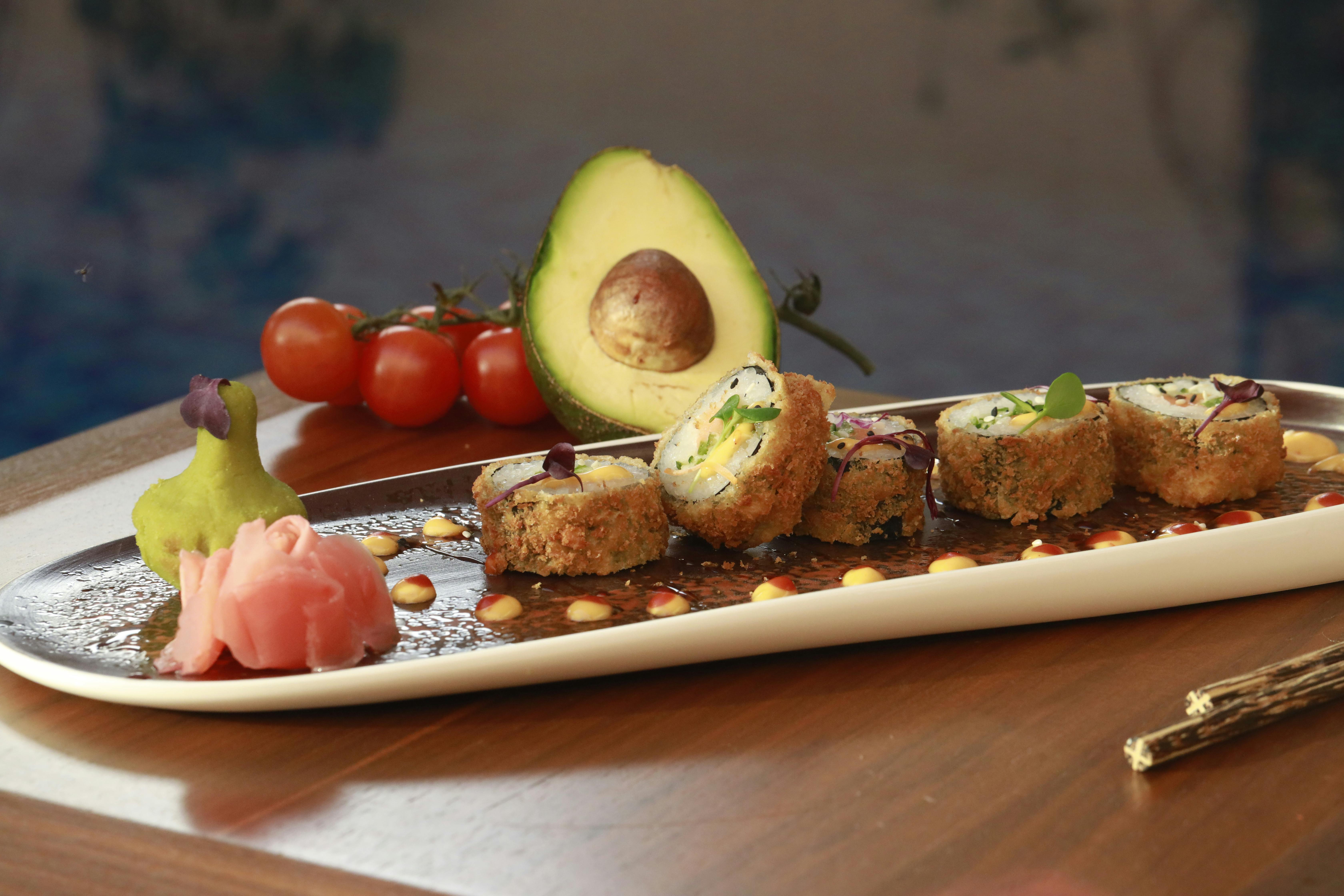
In 2026, culinary travel transcends mere dining; it's an immersive quest for authentic, hyper-regional flavors and sustainable experiences. Discover the luxury gastronomic adventures, bespoke food tours, and ethical cooking retreats that are redefining global exploration. Compare the best options for booking your next unforgettable culinary journey, optimized for premium experiences and responsible tourism.
Introduction to the Topic
Welcome to 2026, a year where the discerning traveler no longer simply seeks a meal, but a story. The global palate has evolved, moving beyond conventional tourism to embrace a profound desire for authentic, hyper-regional, and ethically-sourced culinary experiences. At spoonwala.com, we've observed a seismic shift: food isn't just fuel; it's the ultimate passport to culture, history, and community. This year marks the zenith of personalized gastronomic journeys, where every bite tells a tale of tradition, innovation, and sustainability.
Forget generic buffets and tourist traps. Today's culinary explorer craves immersion – from foraging with local experts in the Amazon to mastering ancient pasta techniques in a secluded Italian villa, or experiencing the intricate art of Kaiseki in a Kyoto ryokan. This isn't just about eating well; it's about understanding the provenance of ingredients, supporting local economies, and participating in a mindful, sustainable food ecosystem. As we navigate a world increasingly conscious of its impact, the fusion of luxury travel with ethical gastronomy has become the ultimate status symbol, offering unparalleled memories and a deeper connection to our planet's diverse culinary heritage.
Backgrounds & Facts
The culinary tourism sector, projected to reach over $2 trillion by 2030, has seen an unprecedented acceleration in demand for specialized, high-value experiences. Post-pandemic, travelers are prioritizing meaningful connections and unique narratives over superficial sightseeing. In 2026, this manifests in several key trends:
-
Hyper-Regional Focus: The spotlight has moved from national cuisines to micro-regional specialties. Think not just 'Italian food,' but 'Puglian orecchiette' or 'Sicilian street food.' This specificity allows for deeper dives into local traditions, often involving direct interaction with producers, chefs, and artisans.
-
Sustainability as a Core Value: Consumers are actively seeking experiences that minimize environmental impact and maximize social benefit. Tours that highlight farm-to-table practices, zero-waste initiatives, indigenous ingredients, and fair-trade sourcing are commanding premium prices. Certification programs for sustainable tourism and culinary practices are becoming standard.
-
The Experience Economy: It's no longer enough to just taste; travelers want to participate. Cooking classes, foraging expeditions, vineyard tours with winemaking workshops, and behind-the-scenes market visits are integral components of modern culinary itineraries. These hands-on activities foster a sense of accomplishment and a deeper appreciation for the craft.
-
Luxury & Exclusivity: While sustainability is key, luxury remains a driving force. This translates into bespoke itineraries, private chef experiences, exclusive access to Michelin-starred kitchens, and stays in boutique accommodations that prioritize local ingredients and design. The focus is on curated, intimate groups rather than mass tourism.
-
Technological Integration: Advanced booking platforms, AI-powered itinerary builders, and personalized recommendation engines are making it easier than ever to discover and book these niche experiences. Virtual reality previews of destinations and digital guides enhance the pre-trip excitement and on-site immersion.
Countries like Japan (with its Washoku heritage and regional delicacies), Italy (renowned for agriturismo and specific PDO products), Peru (a leader in Amazonian and Andean culinary innovation), and the Nordic countries (pioneering New Nordic Cuisine with a strong focus on foraging and local produce) are leading the charge in offering these sophisticated culinary adventures.
Expert Opinion / Analysis
“In 2026, culinary travel isn't just about what's on your plate; it's about the journey to get it there,” explains Chef Anya Sharma, founder of 'Global Palates Consultancy' and a leading voice in sustainable gastronomy. “Travelers are increasingly sophisticated. They want to meet the fisherman who caught their dinner, learn from the nonna who’s been making pasta for 80 years, or understand how ancient grains are being revived in a remote Andean village. This isn't just tourism; it's cultural preservation and economic empowerment for local communities.”
Sharma emphasizes the role of chefs and tour operators as cultural ambassadors. “We're seeing a trend where chefs are no longer confined to their kitchens. They're leading expeditions, hosting retreats, and collaborating directly with farmers and artisans to craft truly unique experiences. This direct connection elevates the gastronomic journey from a mere meal to an educational and deeply personal encounter.”
However, this trend isn't without its challenges. “Balancing exclusivity and luxury with genuine sustainability is a tightrope walk,” Sharma admits. “The key is to ensure that these premium experiences genuinely benefit local communities and protect the environment, rather than just exploiting them for a 'rustic' aesthetic. Transparent sourcing, fair wages, and minimal footprint practices are non-negotiable for the discerning traveler of today.”
The rise of micro-influencers and specialized travel agencies has also democratized access to information about these niche trips, yet the booking process for truly bespoke experiences often still benefits from expert human curation. “While AI can suggest itineraries, the nuanced understanding of local customs, hidden gems, and ethical considerations often requires a human touch,” Sharma concludes, highlighting the continued value of specialized travel advisors in this high-end market.
💰 Best Options in Comparison (VERY IMPORTANT)
Ready to embark on your own extraordinary culinary odyssey? Here’s a comparison of the top categories for booking your 2026 gastronomic adventure, designed to cater to various preferences for immersion, luxury, and sustainability. These options represent the pinnacle of culinary travel, offering unparalleled access and unforgettable experiences.
-
Luxury Bespoke Culinary Tours: The Ultimate Personalization
These ultra-premium tours offer fully customized itineraries, private chefs, exclusive access to Michelin-starred restaurants, and stays in opulent villas or boutique hotels. Perfect for those seeking unparalleled comfort, privacy, and tailored experiences. Think private truffle hunting in Piedmont followed by a cooking class in your personal chef's kitchen, or a curated tour of Bordeaux's finest vineyards with direct access to winemakers. Best for: Discerning travelers seeking privacy, exclusivity, and maximum flexibility. Keywords: Luxury culinary travel, bespoke food tours, private chef experiences, exclusive gastronomy.
-
Immersive Regional Cooking Retreats: Hands-On Cultural Deep Dives
These multi-day retreats focus on mastering the cuisine of a specific region, often involving hands-on cooking classes, market visits, and cultural excursions. Accommodations typically include charming guesthouses or agriturismos. Imagine a week-long immersion in Oaxaca, learning traditional mole recipes, mezcal production, and visiting indigenous communities. Best for: Enthusiastic home cooks and cultural explorers wanting deep practical knowledge and local interaction. Keywords: Cooking vacations, culinary retreats, immersive food experiences, regional cooking classes.
-
Sustainable Farm-to-Table Experiences: Ethical & Eco-Conscious Adventures
Focusing on ecological impact and local sourcing, these tours connect travelers directly with farmers, foragers, and sustainable producers. Experiences often include farm stays, foraging expeditions, and workshops on sustainable food practices. Picture yourself harvesting olives in Greece, learning about permaculture in Costa Rica, or exploring indigenous ingredients in the Peruvian Amazon. Best for: Environmentally conscious travelers passionate about ethical eating and supporting local economies. Keywords: Sustainable culinary tourism, farm-to-table travel, eco-food tours, ethical gastronomy.
-
Urban Gastronomic Explorations: City Bites & Michelin Stars
These tours delve into the vibrant food scenes of major global cities, combining Michelin-starred dining, hidden street food gems, and guided market tours. Often includes walking tours focused on culinary history and modern trends. Explore Tokyo's fish markets and Kappabashi Street before a multi-course Kaiseki, or navigate the hawker centers and fine dining of Singapore. Best for: Foodies who thrive in urban environments and want to experience the cutting edge of culinary innovation alongside traditional street food. Keywords: City food tours, Michelin star dining, urban gastronomy, street food adventures.
Comparison Table: Unlocking Your Perfect Culinary Journey
| Feature | Luxury Bespoke Tours | Regional Cooking Retreats | Sustainable Farm-to-Table | Urban Gastronomic Explorations |
|---|---|---|---|---|
| Target Audience | High-net-worth individuals, honeymooners, special occasions | Passionate home cooks, culture seekers, small groups | Eco-conscious travelers, ethical foodies, wellness seekers | City explorers, trend-watchers, fine dining enthusiasts |
| Price Range (2026 est.) | $8,000 - $50,000+ (per person, multi-day) | $2,500 - $7,000 (per person, multi-day) | $3,000 - $9,000 (per person, multi-day) | $1,500 - $6,000 (per person, multi-day) |
| Immersion Level | High (private access, personalized learning) | Very High (hands-on, community engagement) | Very High (direct producer interaction, practical skills) | Medium-High (guided exploration, varied experiences) |
| Sustainability Focus | Can be integrated, often on request | Strong (local sourcing, traditional methods) | Primary focus (eco-certified, community support) | Varies by operator, growing trend |
| Key Activities | Private dining, bespoke classes, exclusive tastings, cultural tours | Cooking classes, market visits, cultural excursions, local artisan workshops | Farm visits, foraging, sustainable cooking workshops, community projects | Fine dining, street food tours, market exploration, culinary history walks |
| Recommended Booking Sites | Abercrombie & Kent, Black Tomato, bespoke travel designers | Culture Trip, The International Kitchen, local operators | Responsible Travel, Intrepid Travel, specialized eco-tour operators | Devour Tours, Eating Europe, Michelin Guide Experiences |
Whether you dream of a private gastronomic odyssey or a hands-on culinary immersion, there’s a perfect journey waiting for you. Click on the links above or consult a specialized culinary travel advisor to start planning your bespoke 2026 adventure today!
Outlook & Trends
Looking ahead, the culinary travel landscape is set for even greater innovation. Personalization will intensify, with AI-driven platforms creating hyper-specific itineraries based on dietary preferences, skill levels, and even desired emotional outcomes. Imagine a tour designed not just for 'Italian food,' but specifically for 'Northern Italian gluten-free artisanal pasta making with a focus on ancient grains and mountain views.'
Virtual reality and augmented reality will play a larger role, offering pre-trip immersive experiences to help travelers choose their perfect destination, or even enhancing on-site learning with historical context overlays. The trend of 'food as medicine' will also integrate further, with wellness-focused culinary retreats gaining traction, emphasizing nutrient-dense, locally sourced ingredients and mindful eating practices.
Finally, the search for 'undiscovered' culinary regions will continue, pushing intrepid foodies to explore lesser-known destinations in Africa, Eastern Europe, and remote parts of Asia and South America. These frontiers will offer truly unique flavors and stories, further cementing culinary travel as a transformative, not just transactional, experience.
Conclusion
In 2026, culinary travel is more than a trend; it's a movement. It represents a conscious choice to invest in experiences that nourish the body, mind, and spirit, while fostering a deeper connection to our world's diverse cultures and environments. From the bespoke luxury of a private chef experience to the profound satisfaction of a sustainable farm stay, the options for gastronomic exploration are richer and more meaningful than ever before.
At spoonwala.com, we believe that every meal is an opportunity for discovery. Don't just eat; explore. Don't just travel; immerse. Your next extraordinary culinary journey awaits, promising not just incredible flavors, but unforgettable stories and a profound sense of connection. Start planning your ultimate gastronomic adventure today and taste the world in a way you've never imagined!