
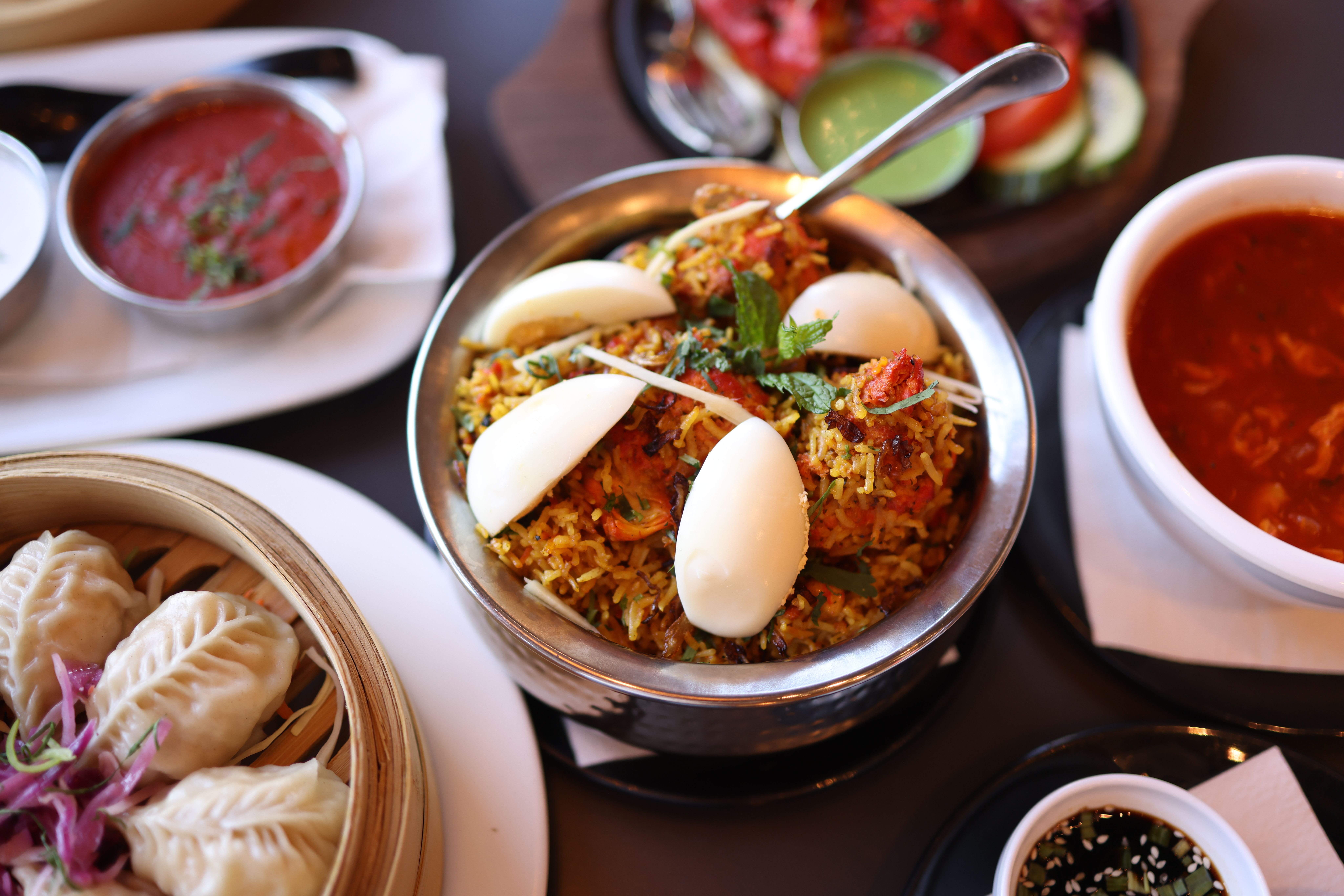
In 2026, African cuisine isn't just trending; it's a global phenomenon. From the aromatic tagines of Morocco to the fiery Jollof rice of West Africa, diverse flavors are captivating palates worldwide. This ultimate guide helps you explore authentic dishes, find the best African spice kits, enroll in top-rated cooking classes, book unforgettable culinary tours, and order gourmet meal kits to bring the continent's vibrant tastes right to your kitchen. Maximize your culinary journey with our expert recommendations and purchasing options designed for the discerning food enthusiast with a purchasing intent.
Introduction to the Topic
The culinary landscape of 2026 is a dynamic tapestry woven with global threads, and at its vibrant core, African cuisine has emerged as an undisputed superstar. For too long overshadowed by its European and Asian counterparts, the diverse, rich, and deeply flavorful foods of Africa are finally receiving the global recognition they deserve. This isn't just a fleeting trend; it's a cultural awakening, a delicious revolution that's transforming dining rooms, restaurant menus, and home kitchens from New York to Tokyo. As we navigate a world increasingly hungry for authenticity, sustainability, and bold new experiences, African cuisine delivers on all fronts, offering a spectrum of tastes that are both ancient and incredibly modern.
From the bustling markets of Accra to the spice-laden kitchens of Marrakech, Africa presents a continent of culinary wonders. Its dishes are a testament to centuries of tradition, trade, and innovation, reflecting incredible regional diversity. Whether you're a seasoned foodie seeking your next adventure, a home chef eager to expand your repertoire, or simply curious about the hottest global food trends, understanding and experiencing African cuisine is paramount in 2026. This article will not only introduce you to the magic of these flavors but also guide you on how to best access them – from premium spice kits and engaging online classes to immersive culinary tours and convenient meal delivery services – ensuring your journey into African gastronomy is both delicious and effortless.
Backgrounds & Facts
Africa, the second-largest continent, is a mosaic of over 54 countries, each boasting unique culinary traditions shaped by geography, history, and culture. To speak of a singular 'African cuisine' would be a disservice to its incredible diversity. Instead, we can broadly categorize its culinary landscape into several key regions, each with distinct characteristics:
- West Africa: Known for its bold, often spicy flavors, West African cuisine heavily features staples like rice (most famously Jollof rice), yams, plantains, and nutrient-dense leafy greens. Stews and soups, often thickened with groundnuts (peanuts) or egusi (melon seeds), are central, typically served with a starchy side. Key spices include scotch bonnets, ginger, and a variety of local herbs. Dishes like Jollof Rice, Egusi Soup, and Suya (spicy grilled meat skewers) are iconic.
- East Africa: This region's food is often characterized by its use of grains like teff (the base for Injera, a sourdough flatbread), millet, and sorghum. Meats like goat and beef are common, often stewed or grilled. Influences from Indian and Arab traders are evident, particularly along the Swahili coast, bringing aromatic spices like cardamom, cloves, and cinnamon. Ugali (a thick porridge) and Injera with various Wats (stews) are staples.
- North Africa: Dominated by the Maghreb countries, this region's cuisine is famous for its intricate spice blends, aromatic tagines, and couscous. Olive oil, preserved lemons, dates, and a rich array of spices like cumin, coriander, saffron, and paprika are fundamental. Dishes like Tagine, Couscous, and Harira soup exemplify the region's sophisticated flavors, often with a subtle sweetness from dried fruits.
- Southern Africa: Reflecting a blend of indigenous traditions with European (Dutch, British, Portuguese) and Asian influences, Southern African cuisine is hearty and diverse. Braai (barbecue) is a cultural cornerstone, featuring meats like boerewors (sausage) and lamb. Staples include maize (mealie-meal for pap), beans, and root vegetables. Bobotie (a curried mince dish) and Biltong (dried cured meat) are popular examples.
Beyond regional distinctions, a few common threads weave through African cooking: a strong emphasis on fresh, seasonal ingredients; a communal approach to eating; and a deep respect for flavor development through slow cooking and intricate spice layering. The health benefits are also noteworthy, with many traditional dishes being naturally gluten-free, rich in plant-based proteins, and packed with nutrient-dense vegetables and legumes, aligning perfectly with 2026's wellness-focused dietary trends.
Expert Opinion / Analysis
According to Dr. Amara Ndiaye, a renowned food anthropologist and author of 'Africa's Table: A Culinary Renaissance,' the surge in African cuisine's popularity is multifaceted. "For decades, African food was largely confined to diaspora communities, often misinterpreted or oversimplified by mainstream media," she explains. "However, the digital age has allowed African chefs, food bloggers, and cultural ambassadors to tell their own stories, showcasing the true depth and sophistication of their culinary heritage. Social media platforms, in particular, have been instrumental in demystifying dishes like Jollof and Injera, making them accessible and appealing to a global audience."
Chef Kwame Onwuachi, a celebrated figure in the global culinary scene, adds, "What we're seeing in 2026 is a demand for authenticity and a desire to connect with food on a deeper, cultural level. African cuisine offers that in spades. It's not just about the taste; it's about the history, the community, the storytelling behind each dish. Furthermore, many African dishes are inherently plant-forward, utilizing indigenous grains, legumes, and vegetables that are now recognized as 'superfoods.' This aligns perfectly with the growing global emphasis on sustainable, healthy, and ethical eating. Consumers are actively seeking out ingredients like fonio, moringa, and baobab, which are staples in many African diets."
The economic impact is also significant. "The rise of African cuisine is creating new economic opportunities, from specialty ingredient importers to African-owned restaurants and food businesses thriving in international markets," notes financial analyst, Aisha Khan, specializing in the food and beverage sector. "We're seeing a substantial increase in investment in African food tech startups, focusing on everything from sustainable farming practices for indigenous crops to advanced food delivery logistics for culturally specific meals. The purchasing intent among consumers for authentic African products and experiences is higher than ever, driving a multi-billion dollar market expansion."
💰 Best Options in Comparison (VERY IMPORTANT)
Ready to dive into the vibrant world of African flavors? Whether you're a beginner or an experienced cook, there's a perfect option to suit your culinary adventure. We've curated the top choices for 2026, focusing on quality, authenticity, and user experience. Get ready to compare, buy, and book your way to delicious discoveries!
- AfroSpice Co. 'Taste of Africa' Deluxe Spice Kit: Perfect for home cooks looking to experiment with authentic African flavors. This kit includes 10 ethically sourced, premium spice blends from across the continent (e.g., Berbere, Ras el Hanout, Suya Spice, Tsire, Peri-Peri). Comes with a recipe booklet and online access to video tutorials. Ideal for gifting or personal exploration. Shop Now
- Chef Ayo's Online West African Cooking Academy: An immersive online course featuring 8 modules covering classic West African dishes like Jollof Rice, Egusi Soup, and Fufu. Taught by acclaimed Chef Ayo, this academy offers live Q&A sessions, downloadable recipes, and a certificate of completion. Suitable for all skill levels. Enroll Today
- 'Safari Supper Club' African Meal Kit Subscription: A weekly or bi-weekly subscription box delivering pre-portioned, high-quality ingredients and easy-to-follow recipes for two authentic African meals. Options include plant-based and meat-inclusive boxes, featuring dishes from various regions. Focuses on sustainability and fresh, seasonal produce. Subscribe & Save
- 'Taste of Morocco & Beyond' Culinary Tour (8 Days): For the ultimate immersive experience, this luxury small-group tour takes you through the culinary heartlands of Morocco, with excursions to local markets, hands-on cooking classes with local chefs, and gourmet dining experiences. Includes accommodation, transfers, and expert guides. Limited spots available for 2026. Book Your Adventure
| Option | Best For | Key Features | Price Range (2026 Est.) | Action / Where to Buy/Book |
|---|---|---|---|---|
| AfroSpice Co. Deluxe Spice Kit | Home cooks, culinary explorers, gifting | 10 premium, ethically sourced spice blends; recipe booklet; video tutorials | $55 - $75 (one-time purchase) | Shop AfroSpiceCo.com |
| Chef Ayo's Online West African Cooking Academy | Aspiring chefs, cultural learners, skill development | 8 comprehensive modules; live Q&A; expert instruction; certificate | $299 - $499 (full course) | Enroll at ChefAyoAcademy.com |
| 'Safari Supper Club' Meal Kit Subscription | Busy professionals, healthy eaters, diverse palates | Pre-portioned ingredients; 2 meals/box; plant-based options; sustainable sourcing | $70 - $90 (per box, subscription) | Subscribe at SafariSupperClub.com |
| 'Taste of Morocco & Beyond' Culinary Tour | Luxury travelers, immersive cultural experience seekers | 8-day guided tour; market visits; cooking classes; gourmet dining; accommodation | $3,500 - $5,500 (per person) | Book at GlobalFlavors.Travel |
Outlook & Trends
Looking ahead to the rest of 2026 and beyond, the trajectory for African cuisine is one of continued growth and innovation. We anticipate several key trends shaping its evolution:
- Hyper-Regional Specialization: As the broader category gains traction, consumers will seek out increasingly specific regional cuisines. Expect to see dedicated restaurants and meal kits focusing on Ethiopian, Nigerian, Ghanaian, or Senegalese dishes, moving beyond generic 'African' labels.
- Ingredient Spotlight: Indigenous African ingredients like fonio (an ancient grain), moringa (a superfood leaf), baobab fruit, and unique spice blends will become more mainstream, appearing in health food stores, specialty markets, and even mainstream grocery chains. Demand for ethical sourcing and fair trade practices for these ingredients will also rise.
- Fusion and Modernization: While authenticity remains key, expect to see more chefs creatively integrating African flavors and techniques into contemporary global cuisine. Think jollof risotto, injera tacos, or peri-peri glazed plant-based burgers, appealing to a wider audience while retaining the essence of the original flavors.
- Technology Integration: AI-powered personalized meal planning services will start incorporating African dietary preferences and traditional recipes, suggesting optimal ingredient sourcing and cooking methods. Virtual reality culinary experiences might even allow users to "visit" a Nigerian market or a Moroccan spice shop from their homes, enhancing the educational aspect of cooking.
- Sustainability and Plant-Forward Focus: Many traditional African diets are inherently sustainable and plant-rich. This natural alignment with global environmental concerns and the growing vegan/vegetarian movement will further amplify its appeal, positioning African cuisine as a leader in future-proof eating.
The culinary world is not just discovering African cuisine; it's embracing it as a vital, evolving force that offers both ancient wisdom and exciting innovation.
Conclusion
In 2026, the global palate has truly awakened to the unparalleled richness and diversity of African cuisine. No longer a hidden gem, it stands proudly as a leading force in world gastronomy, captivating food lovers with its bold flavors, vibrant spices, and deep cultural heritage. From the aromatic stews of West Africa to the intricate tagines of the North, each dish tells a story, inviting you on an unforgettable journey of taste and tradition.
Whether you're looking to infuse your home cooking with exotic spices, master authentic techniques through online classes, conveniently enjoy gourmet African meals, or embark on an epicurean adventure across the continent, the opportunities are abundant and accessible. Our carefully curated list of top spice kits, cooking academies, meal subscriptions, and culinary tours provides the perfect starting point for your exploration. Don't just follow the trend; become a part of the movement. Embrace the rich, healthy, and incredibly satisfying flavors that Africa has to offer. Your next favorite meal, spice, or travel memory is just a click or a booking away. Unlock Africa's flavors today and elevate your culinary world!