
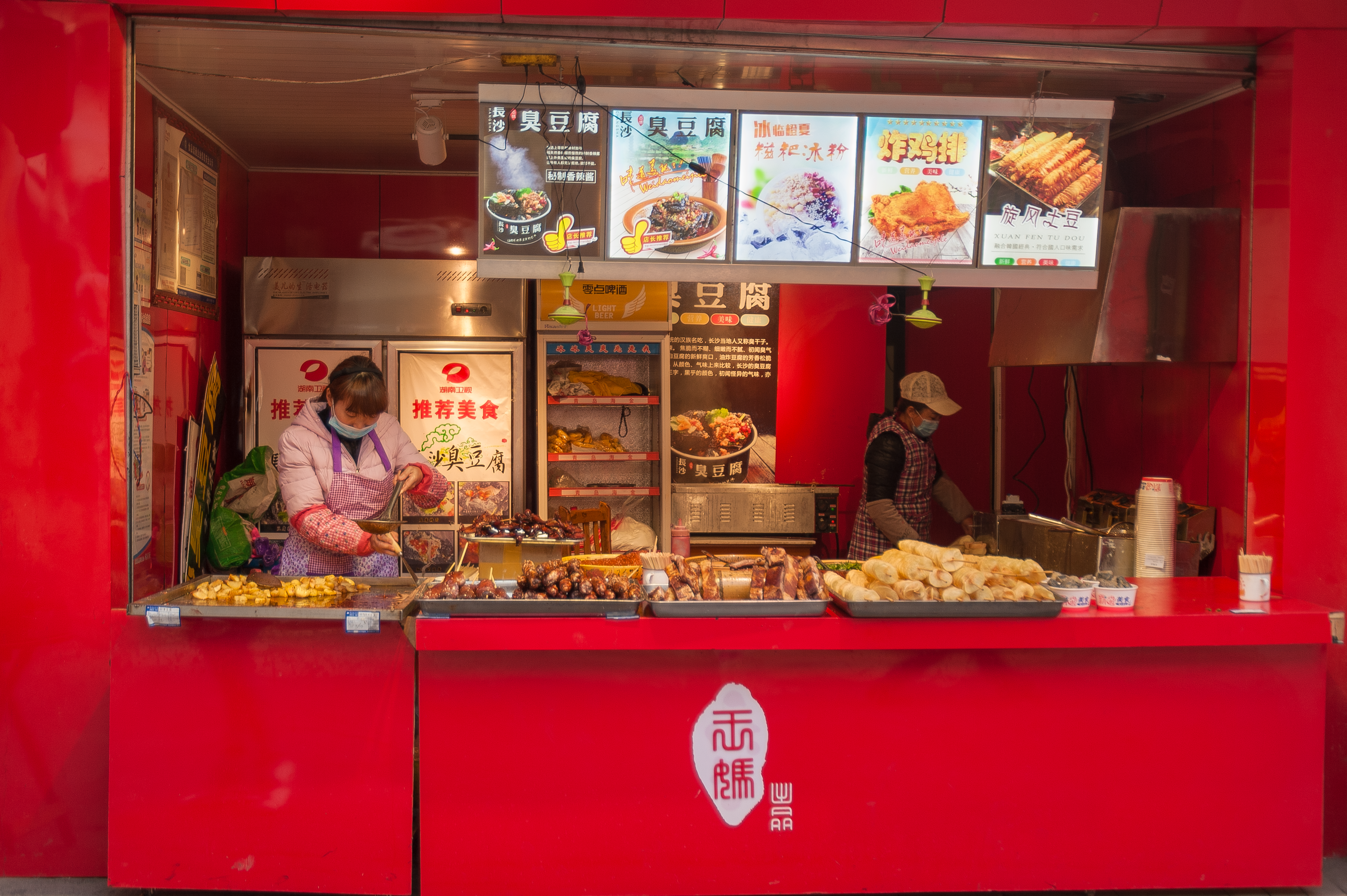
The street food scene in 2026 is undergoing a delicious revolution! Dive into the world of sustainable street food, exploring cutting-edge eco-friendly packaging, innovative food tech solutions, and seamless mobile ordering apps. Discover the best digital POS systems, compare compostable container suppliers, and learn how to book food truck catering that aligns with your values. This guide helps consumers and vendors navigate the future of flavorful, responsible, and tech-savvy dining.
Introduction to the Topic
Welcome to 2026, where the aroma of sizzling street food still tantalizes, but the experience itself has evolved dramatically. Gone are the days when street food was synonymous with single-use plastics and cash-only transactions. Today, the vibrant world of street eats is at the forefront of a dual revolution: a profound commitment to sustainability and an enthusiastic embrace of cutting-edge technology. This isn't just about a quick bite; it's about a conscious choice, a seamless interaction, and a taste of the future.
From bustling city corners to curated food festivals, street food vendors are redefining their craft. Consumers are increasingly demanding transparency, ethical sourcing, and minimal environmental impact, while also craving unparalleled convenience. This article will take you on a deep dive into the innovations shaping the street food landscape, highlighting how vendors are going green with sustainable practices and going smart with sophisticated restaurant technology. Are you ready to discover how your favorite street-side snack is getting a 21st-century makeover, optimized for both planet and palate?
Backgrounds & Facts
The transformation of street food isn't just a trend; it's a response to pressing global challenges and evolving consumer expectations. By 2026, awareness around climate change and waste reduction has reached an all-time high, influencing purchasing decisions across all sectors, especially food.
The Green Wave: Sustainability Takes Center Stage
- Waste Reduction & Circular Economy: Global efforts to reduce plastic waste have spurred widespread adoption of biodegradable cutlery, compostable food containers made from materials like bagasse and corn starch (PLA), and even reusable container programs. Many cities now mandate zero-waste policies for public events, pushing street food vendors towards innovative solutions.
- Local Sourcing & Plant-Based Boom: The farm-to-truck movement is stronger than ever. Vendors are prioritizing locally sourced, seasonal ingredients, reducing their carbon footprint and supporting local economies. Concurrently, the demand for plant-based street food options has exploded, with vegan and vegetarian dishes not just alternatives, but often the main attractions, appealing to a broader, health-conscious, and environmentally aware demographic.
- Energy Efficiency: Food trucks and stalls are increasingly powered by solar panels, efficient battery systems, and even biofuel, significantly lowering operational emissions.
The Digital Leap: Technology Streamlines & Enhances
- Mobile Ordering & Cashless Payments: The pandemic accelerated the adoption of mobile ordering and cashless payment systems. By 2026, QR code menus, dedicated vendor apps, and integrated payment gateways are standard. This minimizes queues, enhances hygiene, and provides valuable data for vendors.
- AI & Data Analytics: Artificial intelligence is revolutionizing inventory management and demand forecasting. AI-powered systems help vendors predict peak times, optimize ingredient purchases to minimize food waste, and even suggest menu adjustments based on real-time sales data and local events.
- Food Truck Tracking & Booking Platforms: GPS-enabled apps allow customers to track their favorite food trucks in real-time, view menus, and even pre-order. For events, specialized food truck booking platforms make it effortless to hire diverse culinary experiences for private parties or corporate events.
- Social Media Marketing & Hyper-Personalization: Vendors leverage platforms like 'FlavorFeed' (a popular food-centric social media app in 2026) for hyper-targeted marketing, offering personalized deals and recommendations based on customer preferences and past orders.
Expert Opinion / Analysis
“The street food industry of 2026 is a masterclass in adaptation and innovation,” remarks Dr. Anya Sharma, a leading food systems analyst and author of 'The Conscious Plate'. “We’re seeing a beautiful synergy where technology isn't just about efficiency; it's a powerful enabler of sustainability.”
Dr. Sharma elaborates, “Think about it: AI-driven inventory systems directly combat food waste, a monumental environmental problem. Mobile ordering reduces paper menus and allows for precise portioning, further cutting down on leftovers. Even the rise of specialized food truck event management software helps consolidate logistics, reducing unnecessary travel and resource consumption.”
From a vendor's perspective, this dual evolution presents both challenges and immense opportunities. “Initially, the investment in sustainable packaging or advanced POS systems might seem daunting,” explains Marco 'The Spice King' Rossi, owner of a wildly successful sustainable fusion food truck chain. “But the long-term benefits are undeniable. We’ve seen reduced operational costs through waste minimization, increased customer loyalty from our eco-conscious patrons, and a much wider reach thanks to our digital presence. Our customers aren't just buying a taco; they're buying into a philosophy.”
The analysis points to a future where ethical practices and technological prowess are not optional extras but fundamental pillars of a thriving street food business. Consumers are more informed and empowered than ever, actively seeking out vendors who align with their values. This creates a competitive landscape where innovation in sustainability and tech provides a significant edge, driving both profit and positive impact.
💰 Best Options in Comparison (VERY IMPORTANT)
For both aspiring street food entrepreneurs and discerning consumers, navigating the myriad of sustainable and tech-driven solutions can be overwhelming. Here, we break down some of the leading options in eco-friendly packaging and integrated digital platforms that are defining the street food experience in 2026.
Option 1: Leading Eco-Packaging Innovators for Street Food
Investing in the right packaging is crucial for sustainability and brand image. These providers offer solutions that are both functional and environmentally responsible:
- BioPack Pro: A market leader in bulk compostable food packaging. BioPack Pro offers a vast range of containers, cups, and lids made from PLA, bagasse, and recycled content. Their products are certified compostable in industrial facilities, making them ideal for urban street food hubs with dedicated composting infrastructure. They also offer custom branding options.
- VerdeServe Solutions: Specializing in innovative edible cutlery and next-gen reusable container programs. VerdeServe’s cutlery, made from grains, is not only edible but often flavored! Their reusable container system, 'LoopLid', allows customers to pay a small deposit for a durable, washable container, which can be returned to any participating vendor for a refund, significantly reducing single-use waste.
Option 2: Top-Tier Digital Platforms for Street Food Vendors & Consumers
These platforms streamline operations for vendors and enhance discovery and convenience for customers:
- StreetEats Pro: An all-in-one digital POS system and mobile ordering platform designed specifically for the dynamic needs of food trucks and stalls. StreetEats Pro integrates order management, inventory tracking, customer loyalty programs, and payment processing into a single, user-friendly interface. Its powerful analytics dashboard helps vendors optimize menus and staffing.
- TruckFinder Global: The premier platform for booking food trucks for events and finding them on the go. TruckFinder Global offers real-time GPS tracking of participating trucks, detailed menus, and seamless pre-ordering capabilities. For event organizers, it provides a comprehensive marketplace to browse, compare, and book diverse food truck catering services with transparent pricing and reviews.
Here’s a comparison table to help you evaluate these critical tools:
| Feature / Solution Category | BioPack Pro (Eco-Packaging) | VerdeServe Solutions (Eco-Packaging) | StreetEats Pro (Digital Platform) | TruckFinder Global (Digital Platform) |
|---|---|---|---|---|
| Primary Focus | Compostable & Recycled Packaging | Edible Cutlery & Reusable Systems | All-in-One POS, Ordering & Management | Food Truck Discovery & Event Booking |
| Key Products/Services | PLA containers, Bagasse bowls, Recycled paper cups, Custom branding | Grain-based edible cutlery, 'LoopLid' reusable containers, Dishwashing services | POS terminal, Mobile ordering app, Inventory management, Loyalty programs, Payment processing | Real-time GPS tracking, Detailed vendor profiles, Event booking marketplace, Pre-order functionality |
| Sustainability Impact | Reduces landfill waste (compostable materials) | Eliminates single-use plastic cutlery, Promotes circular economy (reusables) | Reduces paper waste (digital receipts), Optimizes inventory (reduces food waste) | Optimizes vendor routes (less fuel), Promotes local vendors |
| Target User | Street food vendors, Food festivals, Caterers | Street food vendors, Cafes, Event organizers | Food truck owners, Small restaurant chains, Pop-up kitchens | Consumers, Event planners, Corporate clients, Food truck owners (for listing) |
| Cost-Effectiveness | Mid-to-high initial cost, Long-term brand value | Mid-to-high initial cost, Deposit system can offset costs for reusables | Subscription-based (tiered), Increases efficiency & sales | Free for consumers, Commission-based for vendors (events), Subscription for premium features |
| Integration/Compatibility | Works with industrial composting facilities | Seamlessly integrates with participating vendors | API available for third-party apps, Cloud-based | Integrates with popular payment gateways & mapping services |
| Unique Selling Proposition | Extensive range of certified compostable products | Truly zero-waste cutlery & innovative reusable system | Comprehensive, purpose-built solution for mobile food businesses | Unrivaled network for finding and booking food trucks |
Outlook & Trends
The trajectory for street food in the coming years is one of continuous innovation and deeper integration into sustainable urban living. Expect to see several exciting trends emerge and solidify by the end of the decade:
- Hyper-Personalization via AI: Beyond current recommendations, AI will enable street food vendors to offer hyper-personalized menus based on individual dietary needs, health goals, and even mood, using data from wearable tech and previous orders. Imagine a truck knowing you need an energizing, gluten-free snack after your morning run.
- Robotics in Prep & Service: While human touch remains key, certain repetitive tasks in food preparation, like chopping vegetables or assembling specific dishes, could be automated by robotics, ensuring consistency, speed, and hygiene, especially during peak hours.
- Modular & Pop-Up 'Smart Kitchens': The concept of ghost kitchens will evolve into highly efficient, modular 'smart kitchens' that can be rapidly deployed for events or seasonal demand. These units will be equipped with advanced sustainable tech and digital ordering systems, offering a flexible and low-overhead model for new culinary ventures.
- Community-Driven Food Hubs & Micro-Farming: We'll see more urban food hubs that combine street food vendors with vertical farms or community gardens, ensuring ultra-local sourcing and a direct connection between producers and consumers. These hubs might even offer shared sustainable infrastructure, like composting facilities and reusable container washing stations.
- Blockchain for Supply Chain Transparency: Blockchain technology will provide unparalleled transparency in the supply chain, allowing customers to scan a QR code and instantly view the origin of ingredients, fair trade certifications, and even the carbon footprint of their meal.
The future of street food is not just about what we eat, but how it's grown, prepared, served, and consumed – a holistic ecosystem of flavor, ethics, and innovation.
Conclusion
The street food scene of 2026 is a testament to culinary ingenuity and environmental responsibility. It's a world where the sizzle of a grill is accompanied by the quiet hum of an electric truck, and where your delicious meal comes in packaging that leaves no trace. The convergence of sustainability and technology has not only elevated the street food experience but has also set a new standard for the entire food industry.
For consumers, this means more choices than ever before: guilt-free indulgence, unparalleled convenience, and the power to support businesses that align with their values. For vendors, it represents a dynamic landscape ripe with opportunities for innovation, efficiency, and expanded reach. Embracing these changes is not just good for business; it's essential for our planet.
As you plan your next street food adventure or consider launching your own mobile culinary dream, remember that the future is already here. It’s sustainable, it’s smart, and it’s incredibly delicious. So go ahead, eat green, pay smart, and savor the revolution!