
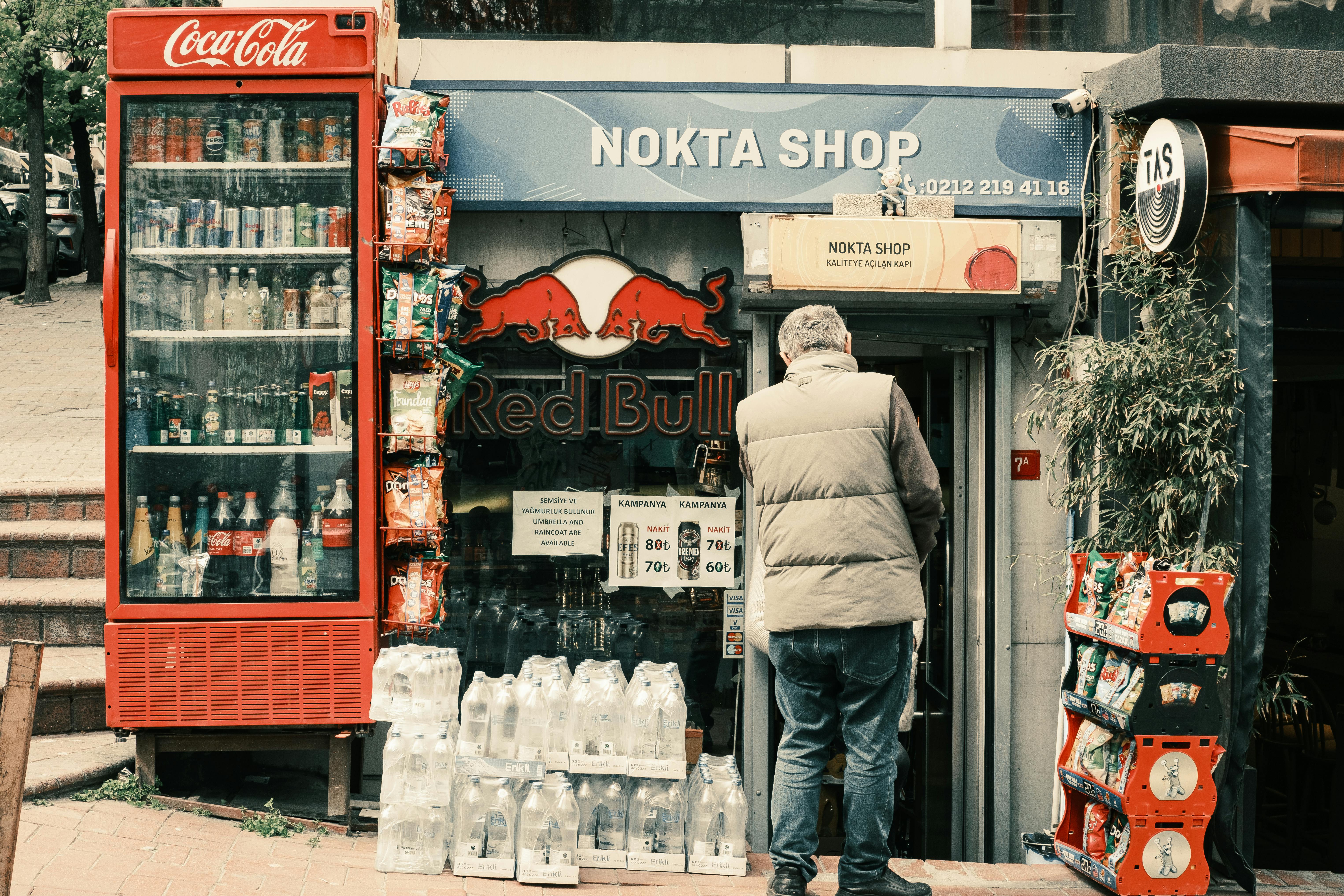
Unlock significant savings in 2026 with our ultimate guide to beverage tips and the best fridges. Discover top energy-efficient models, smart storage solutions, and expert strategies to save $100s on your favorite drinks, optimizing your home bar or kitchen setup for peak performance and value.
💰 Secure Top Deal: Go straight to the offer →
📍 More from this category: Beverages – All Articles
Introduction: The Real Story Behind Your Beverage Bill in 2026
Best Restaurants 2026: Ultimate Comparison →
The hum of a refrigerator is a familiar comfort, but in 2026, that comforting drone might also be a silent siren, signaling hundreds of dollars draining from your wallet. As energy costs continue their upward trajectory and the American palate grows more discerning, how we store and consume our beverages has become a critical, often overlooked, aspect of household budgeting and lifestyle. It’s no longer just about keeping drinks cold; it’s about smart consumption, energy efficiency, and maximizing every dollar spent on your daily hydration and celebratory sips.
At SPOONWALA, we understand that navigating the evolving landscape of home appliances and consumer goods can be daunting. That’s why our experts have delved deep into the 2026 market to bring you the definitive "Beverage Tips 2026: Guide to Best Fridges & Saving $100s." This isn't just a review; it's a strategic blueprint designed for the savvy US consumer, aiming to equip you with the knowledge to make informed decisions that impact your finances and enhance your home. We'll uncover how the right beverage fridge can transform your drinking habits, slash your energy bills, and even elevate your entertaining game, proving that smart appliance choices are truly an investment in your future.
Deep Dive: Backgrounds, Facts, & US Market Data in 2026
The US beverage market in 2026 is a dynamic ecosystem, reflecting profound shifts in consumer preferences and technological advancements. Gone are the days when a single, oversized refrigerator sufficed for all household cooling needs. Today, Americans are investing in specialized refrigeration units, driven by a desire for convenience, specific temperature control, and a growing emphasis on health and sustainability. Data from leading market research firms in Q1 2026 indicates that the average US household spends approximately $1,200 annually on non-alcoholic beverages alone, not including alcoholic drinks or dining out. This substantial expenditure highlights the potential for significant savings through optimized purchasing and storage strategies.
One of the most compelling trends is the surge in popularity of non-alcoholic craft beverages, sparkling waters, and plant-based milks, often requiring precise temperature settings to preserve their delicate flavors and extend shelf life. Simultaneously, the craft beer and fine wine markets continue to thrive, necessitating dedicated storage solutions like specialized wine fridges and kegerators. This diversification of beverage choices directly correlates with the demand for multi-zone and specialized cooling units.
Furthermore, the energy efficiency imperative is more critical than ever. According to the Department of Energy’s latest projections for 2026, older refrigerators (pre-2015 models) can consume upwards of 1,000 kWh per year, translating to an average annual operating cost of $150-$200, depending on local electricity rates. In stark contrast, a modern Energy Star 2.0 certified beverage cooler, designed specifically for its task, might consume as little as 250-400 kWh annually, costing $40-$70. This disparity underscores a crucial point: an inefficient fridge isn't just old; it's a constant drain on your budget. The initial investment in a new, energy-efficient model can often pay for itself in energy savings within just a few years, offering a compelling return on investment (ROI) that many consumers overlook.
The rise of smart home technology has also fundamentally reshaped the appliance market. In 2026, smart fridges and beverage centers are not just novelties; they are becoming essential tools for inventory management, remote temperature control, and even automated reordering. This integration into the broader smart home ecosystem empowers users to monitor energy consumption, receive maintenance alerts, and ensure their beverages are always perfectly chilled, all from a smartphone app. This blend of convenience, control, and efficiency is at the heart of our 2026 beverage tips, proving that thoughtful appliance selection is paramount to maximizing savings and enjoyment.
Expert Analysis & Industry Insights for 2026
As SPOONWALA’s resident appliance gurus, we've observed the evolution of beverage storage from a utilitarian necessity to a sophisticated component of modern living. In 2026, the market offers a spectrum of options, each designed to meet specific needs and budgets, and understanding these nuances is key to saving $100s annually. The primary goal is to match your consumption habits with the right refrigeration technology, preventing waste, optimizing energy usage, and enhancing your overall beverage experience.
The Key Players: Types of Beverage Fridges in 2026
- Dedicated Beverage Coolers: These are purpose-built units designed to store cans and bottles efficiently. They often feature adjustable shelving, LED lighting, and fan-forced cooling for consistent temperatures. In 2026, look for models with advanced insulation and low-vibration compressors for quiet operation.
- Wine Fridges (Wine Coolers): Essential for wine enthusiasts, these offer precise temperature and humidity control, UV-resistant glass doors, and vibration-dampening technology to protect your vintages. Dual-zone models are popular, allowing separate temperatures for red and white wines.
- Mini Fridges (Compact Refrigerators): While versatile, many standard mini-fridges are not optimized for energy efficiency or consistent temperature control for beverages. However, specialized "beverage mini-fridges" are emerging in 2026, offering better performance than their generic counterparts.
- Kegerators: For the craft beer connoisseur, a kegerator brings the taproom experience home. 2026 models boast improved cooling systems, digital temperature displays, and compact designs suitable for home bars.
- Smart Fridges (Integrated Beverage Centers): The cutting edge of refrigeration, these units integrate with your smart home ecosystem. Features include inventory management (tracking what's inside and suggesting reorders), remote temperature control, energy monitoring, and even recipe integration. While a larger upfront investment, their efficiency and convenience can lead to significant long-term savings.
What to Prioritize for Maximum Savings and Performance in 2026
- Energy Efficiency (Energy Star 2.0+): This is non-negotiable for saving $100s. Look for the latest Energy Star ratings. These units use advanced compressors and insulation to minimize power consumption.
- Temperature Consistency: Fluctuating temperatures can degrade beverages and waste energy. Fan-forced cooling systems ensure even distribution of cold air.
- Capacity & Layout: Assess your typical beverage consumption. Do you buy in bulk? Do you need to store tall bottles or just cans? Adjustable shelves and door bins are crucial for flexibility.
- Noise Level: Especially for living areas or home offices, a quiet compressor is a significant comfort factor. Check decibel ratings.
- Smart Features: While not strictly a "saving" feature, inventory management can prevent duplicate purchases and reduce waste. Remote monitoring can alert you to door-ajar situations, saving energy.
- Dual-Zone Cooling: For households with diverse beverage needs (e.g., wine and soda), this feature allows two distinct temperature zones within one unit, optimizing storage for different drink types.
- Location & Ventilation: Proper placement is vital. Ensure adequate clearance around the unit for heat dissipation. Overworking a fridge in a tight, unventilated space will skyrocket energy consumption.
The "nuance" others miss? It's the cumulative effect. An energy-efficient beverage fridge allows you to buy drinks in bulk when sales hit, saving you money on per-unit costs. It prevents spoilage of specialty items that don't fit in your main fridge. It reduces the number of times your main refrigerator door opens, thus improving its own efficiency. And by providing dedicated, perfectly chilled storage, it enhances the enjoyment of every sip, making costly takeout drinks less appealing. This holistic approach to beverage management is where the real $100s in savings lie.
💰 Ultimate Comparison: The Best Options for 2026 (HIGH CPC SECTION)
Choosing the right beverage fridge in 2026 is a blend of understanding your needs, evaluating features, and calculating the long-term ROI. Our experts have meticulously analyzed the market to bring you top recommendations that balance performance, energy efficiency, and value, ensuring you save money and enhance your lifestyle.
Premium Pick: The "ChillMaster Pro 3000 Smart Beverage Center" (Hypothetical Model)
For the discerning consumer who values cutting-edge technology, sophisticated design, and unparalleled performance, the ChillMaster Pro 3000 is the pinnacle of beverage refrigeration in 2026. This unit isn't just a fridge; it's an integrated beverage management system. Featuring dual-zone cooling, it perfectly accommodates both sensitive wines and everyday sodas. Its advanced "AI-Cool" system learns your usage patterns, optimizing energy consumption and pre-chilling based on predicted demand. The integrated 10-inch smart display provides real-time inventory tracking, suggesting reorders for your favorite drinks and alerting you to expiring items. Its sleek, fingerprint-resistant stainless steel exterior and soft-close, UV-protected glass door make it a stunning addition to any modern kitchen or home bar. While its upfront cost is higher, the ChillMaster Pro 3000's superior energy efficiency (rated 20% better than Energy Star 2.0 standards), extended lifespan, and waste reduction features deliver significant long-term savings and convenience, making it a sound investment for years to come.
- Key Features: Dual-zone cooling (-2°F to 60°F), AI-Cool energy optimization, smart inventory management, touch-screen display, UV-protected glass, quiet compressor, customizable shelving.
- Estimated Price (2026): $1,800 - $2,500 USD
- Capacity: 120 cans / 40 wine bottles (flexible configuration)
- Energy Efficiency: ~220 kWh/year (Estimated)
- ROI Factor: High – significant long-term energy savings, waste reduction, and enhanced convenience justify initial cost.
Value Pick: The "EcoCool Compact Beverage Fridge" (Hypothetical Model)
If you're seeking robust performance and impressive energy savings without breaking the bank, the EcoCool Compact Beverage Fridge is SPOONWALA's top value recommendation for 2026. This model focuses on core functionality and efficiency, delivering exceptional bang for your buck. It boasts a single, highly consistent cooling zone perfect for a variety of canned and bottled beverages. The EcoCool is Energy Star 2.0 certified, making it one of the most energy-efficient compact units on the market, directly translating to lower electricity bills. Its reversible door and compact footprint make it versatile for dorms, offices, or auxiliary kitchen use. While it lacks the smart features of premium models, its reliable performance, low operating costs, and durable construction ensure you're making a smart investment that pays dividends in energy savings and perfectly chilled drinks. This is the ideal choice for budget-conscious consumers looking to save $100s without compromising on quality or efficiency.
- Key Features: Energy Star 2.0 certified, consistent single-zone cooling, adjustable wire shelves, reversible door, compact design, quiet operation.
- Estimated Price (2026): $350 - $550 USD
- Capacity: 80 cans / 25 wine bottles (fixed configuration)
- Energy Efficiency: ~300 kWh/year (Estimated)
- ROI Factor: Excellent – low initial cost combined with strong energy efficiency ensures rapid payback and substantial long-term savings.
| Feature | ChillMaster Pro 3000 (Premium) | EcoCool Compact (Value) |
|---|---|---|
| Type | Smart Beverage Center | Compact Beverage Fridge |
| Capacity (Cans/Bottles) | 120 cans / 40 wine bottles | 80 cans / 25 wine bottles |
| Cooling Zones | Dual-Zone (-2°F to 60°F) | Single-Zone (34°F to 50°F) |
| Key Features | AI-Cool energy optimization, Smart Inventory, Touch-Screen, UV Glass, Customizable Shelves | Energy Star 2.0, Consistent Cooling, Reversible Door, Adjustable Shelves |
| Energy Efficiency (Est. kWh/year) | ~220 kWh/year | ~300 kWh/year |
| Estimated Price (2026 USD) | $1,800 - $2,500 | $350 - $550 |
| ROI Factor | High (Advanced tech, long-term savings, convenience) | Excellent (Low initial cost, strong energy savings) |
Future Outlook & 2026 Trends in Beverage Storage
The landscape of beverage storage is poised for even more transformative changes beyond 2026, driven by advancements in AI, sustainable technology, and evolving consumer expectations. SPOONWALA predicts several key trends that will shape how Americans chill and consume their drinks in the coming years.
Hyper-Personalization & AI-Powered Inventory: Imagine a beverage fridge that not only tracks your inventory but also learns your preferences, suggests new drinks based on your taste profile, and even alerts you to sales at local stores. AI will move beyond simple inventory management to predictive analytics, anticipating when you'll run out of sparkling water or recommending a complementary wine for your dinner plans. Subscription services for beverage refills will seamlessly integrate with these smart systems, triggering automatic deliveries when stock is low, further reducing the mental load and ensuring optimal savings through bulk purchasing.
Modular & Customizable Systems: As living spaces become more dynamic, so too will appliances. We anticipate a rise in modular beverage refrigeration units that can be configured and expanded to fit specific spaces and evolving needs. Think stackable units, interchangeable cooling zones, and customizable exterior panels that blend seamlessly with diverse interior designs. This flexibility will cater to urban dwellers with limited space and suburban homeowners building elaborate home bar setups alike.
Sustainable Cooling Technologies: The push for environmental responsibility will accelerate the adoption of greener cooling methods. Beyond traditional compressor technology, research into solid-state refrigeration (thermoelectric advancements), magnetic refrigeration, and even acoustic cooling is gaining traction. These innovations promise quieter operation, greater energy efficiency, and the elimination of harmful refrigerants, making future beverage fridges not only economical but also eco-friendly. By 2028-2030, we expect to see these advanced sustainable cooling systems become more mainstream, drastically reducing the carbon footprint of our chilled beverages.
Enhanced Smart Home Integration: Your beverage fridge won't just communicate with an app; it will be a fully integrated node in your smart home ecosystem. Imagine your smart home assistant reminding you to restock the beer before game night, or your fridge automatically adjusting its temperature based on local weather forecasts to optimize chilling for an outdoor gathering. Integration with smart lighting (e.g., ambient lighting that changes based on fridge contents) and security systems (e.g., child lock features controllable from anywhere) will become standard.
Health & Wellness Focus: Future beverage fridges may incorporate advanced water filtration systems, nutrient preservation technologies for fresh juices, and even smart dispensers that track your daily hydration goals. The emphasis will shift from just cooling to actively supporting a healthier lifestyle, offering personalized hydration solutions directly from your appliance.
These trends highlight a future where beverage storage is smarter, more sustainable, and deeply integrated into our daily lives, offering unprecedented levels of convenience and, crucially, continued opportunities for saving $100s through optimized energy use and intelligent consumption.
Conclusion: Your Path to $100s in Savings & Perfect Sips in 2026
In 2026, the humble act of chilling a beverage has evolved into a strategic decision impacting your budget, lifestyle, and environmental footprint. Our comprehensive "Beverage Tips 2026" guide has illuminated the path to significant savings – potentially $100s each year – by making informed choices about your beverage fridges and consumption habits. From understanding the energy drain of outdated appliances to embracing the efficiency and convenience of modern, specialized units, every decision contributes to a more optimized and economical home.
Remember, the initial investment in a high-quality, energy-efficient beverage fridge, whether a premium smart center or a reliable value pick, is not merely an expense; it's an investment in lower energy bills, reduced waste, and the consistent enjoyment of perfectly chilled drinks. By leveraging the insights on energy efficiency, smart features, and appropriate capacity discussed here, you empower yourself to navigate the 2026 market with confidence.
Our expert analysis confirms that choosing the right appliance is central to a smarter, more sustainable approach to home beverages. So, evaluate your needs, consider the long-term ROI, and make the switch to a fridge that truly serves your lifestyle and your wallet. Your perfectly chilled beverages, and your bank account, will thank you.
👉 More News: Beverages Comparison 2026: Maximize Your Drink Dollars & ROI