
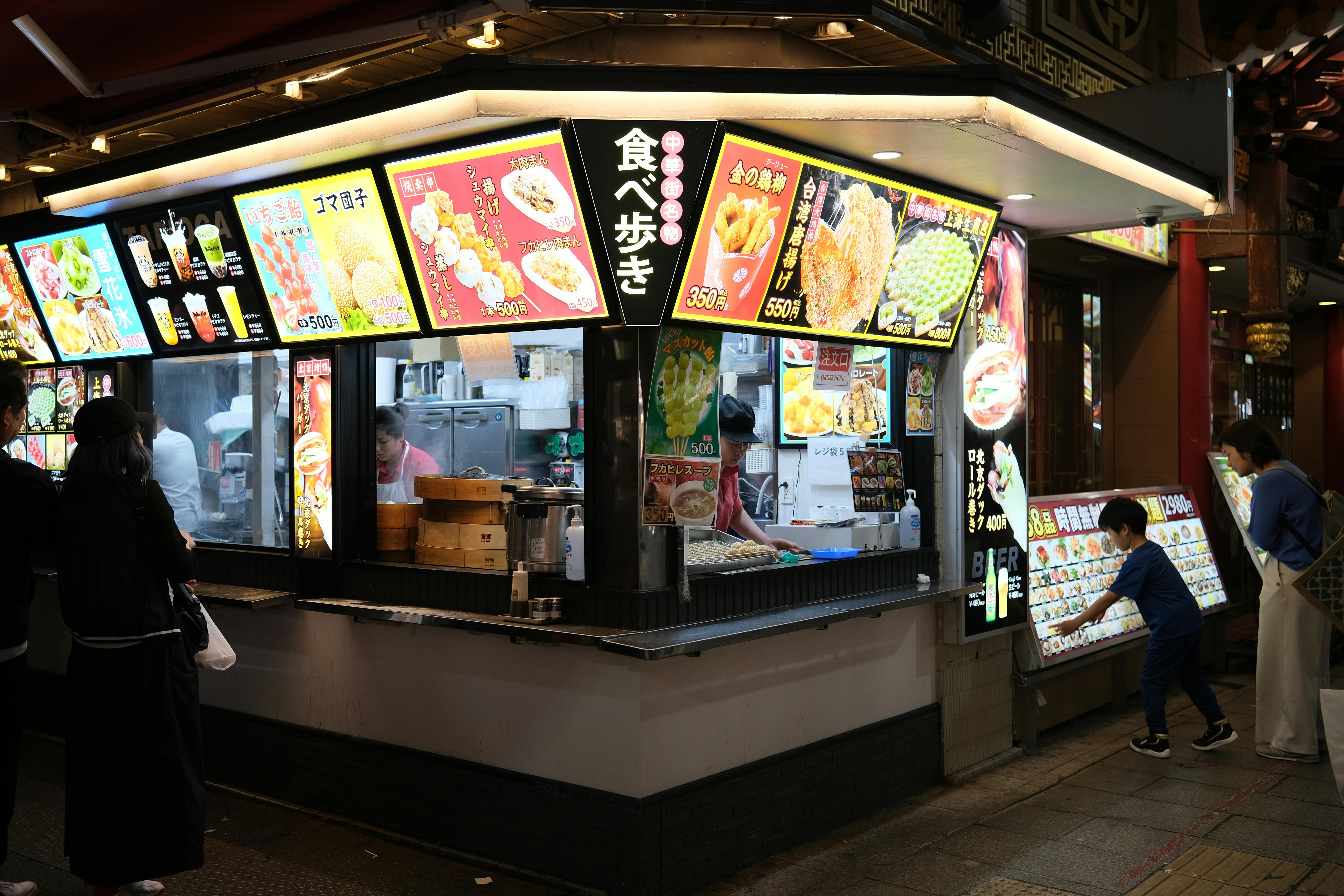
Discover the hottest trend in street food for 2026: sustainable, hyper-local, and ethical eats! Learn how eco-friendly food trucks and conscious vendors are transforming urban dining, offering delicious, guilt-free options. Compare the best green street food models, find top catering services, and explore investment opportunities in this booming market. Make informed choices for your next meal or business venture!
Introduction to the Topic
Welcome to 2026, a year where the aroma of sizzling spices on city streets is no longer just a symphony of flavor, but also a testament to a quiet, powerful revolution: sustainable street food. The days of anonymous, mass-produced quick bites are fading, replaced by a vibrant ecosystem of vendors championing local produce, ethical sourcing, and minimal waste. Consumers are savvier, more environmentally conscious, and demanding transparency from their food providers. This isn't just a niche trend; it's a fundamental shift in how we perceive and consume street food, driven by a collective desire for deliciousness that doesn't cost the Earth. From bustling metropolitan hubs to quaint neighborhood corners, the green wave is sweeping across the global street food scene, offering a compelling blend of culinary innovation and environmental responsibility. If you're looking to indulge, invest, or simply understand where your next street-side meal is coming from, you've come to the right place.
Backgrounds & Facts
The journey towards sustainable street food has been incremental, but by 2026, it has undeniably reached a tipping point. What started as a fringe movement among a few eco-conscious chefs has blossomed into a mainstream expectation. Data from the Global Food & Beverage Council (GFBC) indicates that the sustainable food market, including street food, has grown by an astounding 180% in the last five years, with projections for another 150% growth by 2030. This surge is fueled by several factors. Firstly, heightened awareness of climate change and its impact on food systems has pushed consumers to seek out options with a lower carbon footprint. Secondly, the rise of urban farming and vertical agriculture has created unprecedented opportunities for hyper-local sourcing, reducing transportation costs and emissions dramatically. Many street food vendors now boast 'farm-to-truck' models, often sourcing ingredients from within a 50-mile radius, sometimes even from their own rooftop gardens!
Technological advancements also play a crucial role. AI-powered inventory management systems are helping vendors minimize food waste by accurately predicting demand and optimizing ingredient usage. Biodegradable packaging, once a costly luxury, is now standard practice, with innovations in edible packaging even making an appearance. Smart composting solutions are integrated into many food truck parks, further closing the loop on waste. Cities like Copenhagen, Portland, and Singapore have actively incentivized green street food initiatives, offering grants, streamlined permitting, and dedicated sustainable food zones. This proactive governmental support, coupled with a growing network of conscious suppliers and a highly engaged consumer base, has created a fertile ground for the sustainable street food revolution to flourish. It's a delicious convergence of ethics, innovation, and entrepreneurial spirit.
Expert Opinion / Analysis
“The current trajectory of street food isn’t merely about new recipes; it’s about a profound re-evaluation of our food philosophy,” explains Dr. Anya Sharma, a leading food futurist at the Global Culinary Institute. “Consumers in 2026 aren't just buying a meal; they're investing in a value system. They want to know the story behind their food – where it came from, who prepared it, and what its environmental and social impact is.” Dr. Sharma highlights that this shift is not purely altruistic; it's also economically driven. “Sustainable practices, while sometimes requiring initial investment, often lead to long-term cost savings through reduced waste, optimized sourcing, and enhanced brand loyalty. A sustainable brand resonates deeply with younger demographics, who are increasingly willing to pay a premium for ethical choices.”
However, the path isn't without its challenges. “The primary hurdles remain supply chain robustness and scaling ethical sourcing,” Dr. Sharma notes. “While hyper-local sourcing is ideal, ensuring consistent supply for larger operations can be complex. There’s also the continuous education of both vendors and consumers about what ‘sustainable’ truly means beyond buzzwords.” She emphasizes that genuine sustainability encompasses not just environmental factors but also fair labor practices, community engagement, and economic viability for small producers. “The most successful sustainable street food ventures are those that integrate these pillars holistically, creating a transparent, trustworthy, and delicious experience. We’re seeing a move away from ‘greenwashing’ towards verifiable, impactful practices that truly make a difference.” The analysis suggests that the future belongs to agile, innovative street food entrepreneurs who can creatively navigate these complexities while maintaining authenticity and flavor.
💰 Best Options in Comparison (VERY IMPORTANT)
For individuals looking to savor the best of sustainable street food, or entrepreneurs eyeing this booming market, understanding the diverse models is key. Here are some of the leading options making waves in 2026, offering unique approaches to eco-conscious dining and investment:
-
The Hyper-Local Farm-to-Truck Model
These vendors are the epitome of fresh. They often partner directly with urban farms, community gardens, or small-scale regional producers, sometimes even growing their own herbs and vegetables on board. Their menus are highly seasonal, dictated by what's available, ensuring peak flavor and minimal environmental footprint. Dishes celebrate regional ingredients, often showcasing heirloom varieties or unique local produce. Investment here focuses on strong supplier relationships, efficient mobile kitchen design, and skilled chefs capable of adapting menus on the fly. For consumers, it’s an unparalleled fresh experience, directly supporting local economies.
-
The Zero-Waste Vegan Vanguard
Leading the charge in environmental impact reduction, these food trucks and stalls specialize in plant-based cuisine with an aggressive zero-waste policy. This means everything from compostable or edible packaging to meticulous ingredient utilization to prevent scraps. Many use innovative techniques to transform 'ugly' produce into gourmet delights. Their focus is on delicious, creative vegan dishes that prove sustainability doesn't mean sacrificing flavor. For aspiring entrepreneurs, this model benefits from a strong ethical brand identity and a growing, dedicated customer base passionate about both plant-based eating and environmental stewardship. Look for options offering reusable container programs or bulk refills.
-
Tech-Enabled Sustainable Catering
Beyond daily street service, a new wave of sustainable catering services is emerging, leveraging technology to offer eco-friendly solutions for events, corporate functions, and large gatherings. These operations often use AI for optimized route planning to reduce fuel consumption, advanced energy-efficient cooking equipment, and sophisticated waste tracking systems. They offer customizable menus with verifiable sustainable sourcing and transparent carbon footprint reporting for each dish. For businesses or individuals planning events, booking one of these services ensures both a memorable culinary experience and a demonstrably green footprint, aligning with corporate social responsibility goals.
-
Community-Supported Street Kitchens
These models often operate as social enterprises, focusing not only on environmental sustainability but also on social equity. They might offer culinary training to underserved communities, source ingredients from local food co-ops, or provide affordable, nutritious meals to low-income areas. While still emphasizing sustainable practices like local sourcing and waste reduction, their core mission extends to community empowerment and food justice. Investing in or supporting these kitchens often involves grants, donations, or patronage, contributing directly to local economic development and food security alongside environmental benefits.
To help you compare these fantastic options, here's a detailed breakdown:
| Feature / Model | Hyper-Local Farm-to-Truck | Zero-Waste Vegan Vanguard | Tech-Enabled Sustainable Catering | Community-Supported Street Kitchens |
|---|---|---|---|---|
| Primary Focus | Freshness, seasonality, local economy | Environmental impact, plant-based innovation | Efficiency, scalability, event solutions | Social equity, food access, community building |
| Key Differentiator | Ultra-fresh, traceable ingredients, unique regional flavors | Maximal waste reduction, creative vegan dishes, ethical brand | Technology integration for optimized logistics & reporting | Holistic approach to sustainability + social impact |
| Sustainability Pillars | Local sourcing, reduced transport, seasonal menus | Zero-waste packaging, plant-based diet, resource efficiency | Supply chain optimization, energy efficiency, carbon tracking | Local sourcing, waste reduction, fair labor, food security |
| Best For (Consumers) | Daily meals, farmers' markets, supporting local agriculture | Festivals, ethical dining, exploring innovative veganism | Corporate events, large parties, weddings, eco-conscious gatherings | |
| Best For (Entrepreneurs/Investors) | Building strong community ties, premium local brand | Niche market leadership, strong ethical brand appeal, high demand | Scalable business model, B2B opportunities, tech-driven growth | |
| Typical Price Point | $ (Premium for freshness & local) | $ (Value for ethical impact) | $$ (Event-based, high-value service) | $ - $ (Affordable, community-focused) |
Outlook & Trends
The future of sustainable street food in 2026 and beyond promises even greater innovation and integration. We anticipate a significant expansion of "Street Food Hubs" – dedicated zones in urban centers where multiple sustainable vendors operate, sharing resources like composting facilities, graywater recycling, and even communal vertical gardens. Personalization will become paramount, with AI-driven apps not only recommending sustainable options based on dietary preferences but also tracking the carbon footprint of individual meals. Imagine ordering a bespoke, nutritionally optimized, zero-waste street meal delivered by an electric drone!
Furthermore, the line between street food and fine dining will continue to blur. Michelin-starred chefs are increasingly experimenting with pop-up sustainable street food concepts, making high-quality, ethically sourced cuisine more accessible. Global fusion will take on a new dimension, with chefs adapting traditional street food recipes from around the world using locally sourced, sustainable ingredients, creating unique culinary dialogues. Education will also be a key trend, with many sustainable street food vendors offering workshops on urban gardening, composting, or plant-based cooking. The movement is evolving from mere consumption to active participation, fostering a deeper connection between food, community, and the planet.
Conclusion
The sustainable street food revolution is far more than a passing fad; it's a delicious and necessary evolution of our urban culinary landscape. In 2026, it stands as a testament to what's possible when culinary passion meets environmental consciousness. Whether you're a discerning foodie seeking the freshest, most ethical bite, an event planner aiming for a green gathering, or an entrepreneur looking for the next big investment opportunity, the sustainable street food sector offers a rich tapestry of choices. By supporting these innovative vendors, you’re not just enjoying a fantastic meal; you’re casting a vote for a healthier planet, thriving local economies, and a more equitable food system. So, the next time you're craving a street-side treat, choose green. Your taste buds, and the planet, will thank you. Explore the options, book a sustainable catering service, or even consider investing in a green food truck – the future of food is flavorful, ethical, and right on your street!