
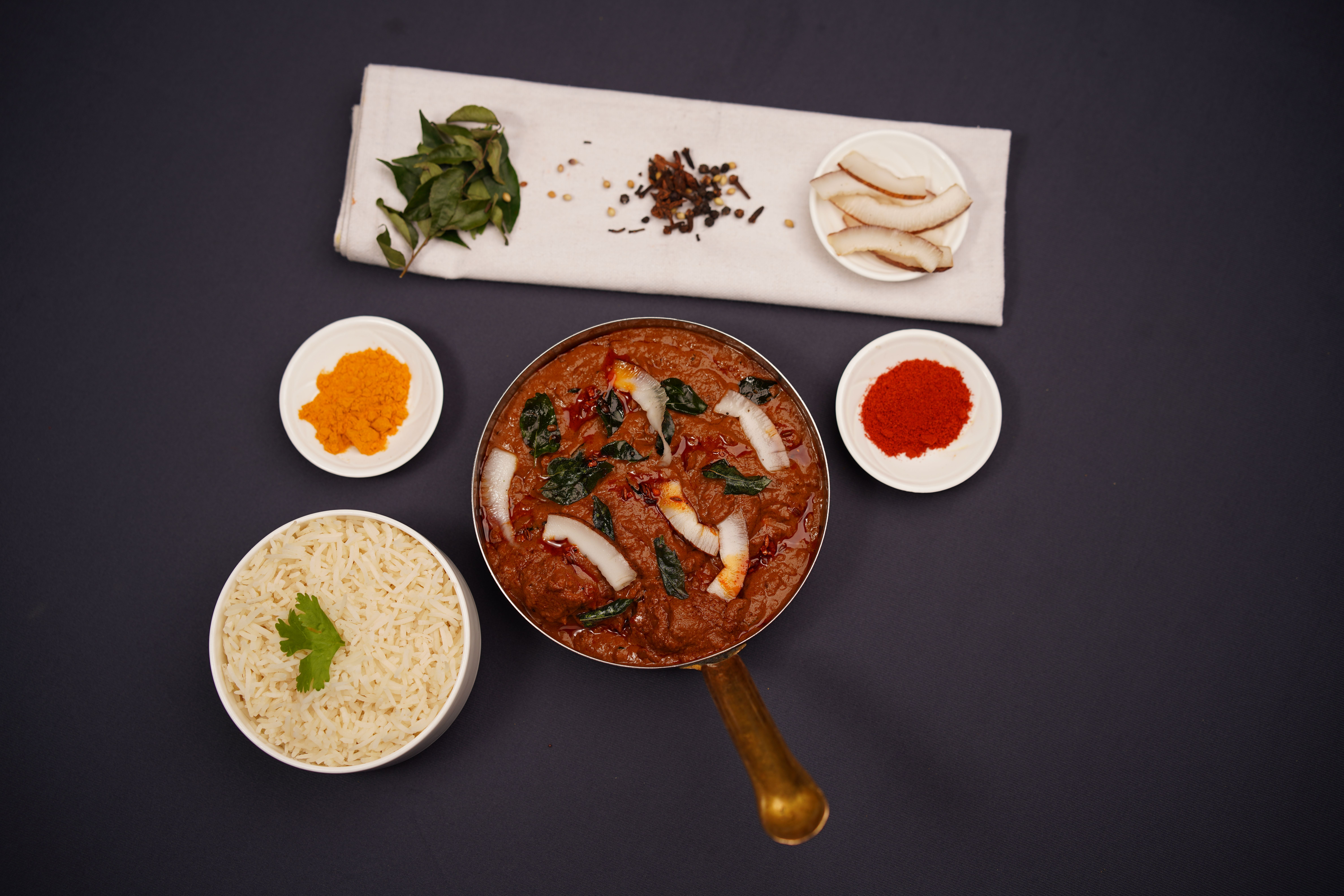
Explore the seismic shift in Indian cuisine as plant-based options redefine traditional flavors and dining experiences. Discover the best vegan ghee, innovative plant-based paneer alternatives, top vegan Indian restaurants, and essential cooking kits revolutionizing healthy, ethical eating across India in 2026. Your comprehensive guide to embracing the future of Indian food, optimized for your purchasing intent.
Introduction to the Topic
The culinary landscape of India, rich with centuries of vegetarian tradition, is undergoing an unprecedented transformation. By 2026, the quiet revolution of plant-based eating has blossomed into a full-blown culinary takeover, moving beyond mere vegetarianism to embrace a truly vegan ethos. This isn't just a niche trend; it's a mainstream movement driven by a confluence of factors: heightened health consciousness, ethical considerations for animal welfare, and a growing global awareness of environmental sustainability. For a nation where a significant portion of the population already eschews meat, the leap to dairy-free and animal-product-free alternatives feels both natural and incredibly innovative. From bustling metropolises like Mumbai and Bengaluru to the rapidly evolving food scenes in Tier-2 cities, vegan Indian cuisine is no longer an anomaly but a celebrated choice, offering an exciting array of flavors, textures, and culinary experiences. This article serves as your ultimate guide to navigating this vibrant new world, helping you discover the best products, services, and dining experiences that define the plant-based Indian culinary scene in 2026.
Backgrounds & Facts
India's relationship with plant-based eating has deep roots, with vegetarianism being a cornerstone of various religious and cultural practices for millennia. However, the modern vegan movement, which strictly excludes all animal products including dairy, eggs, and honey, represents a distinct evolution. In 2026, data from leading food analytics firms indicates that the plant-based food market in India has surpassed an estimated $1 billion, experiencing a compounded annual growth rate (CAGR) of over 25% since 2022. This exponential growth is fueled by several key developments.
Firstly, significant advancements in food technology have made high-quality plant-based alternatives widely accessible and incredibly palatable. Gone are the days of bland, unconvincing substitutes. Today, Indian kitchens and commercial establishments can choose from a sophisticated range of products: pea-protein based 'paneer' that mimics the texture and protein profile of its dairy counterpart, coconut and cashew-derived 'ghee' that delivers the authentic aroma and richness, and an impressive array of plant-based 'meats' crafted from jackfruit, mushrooms, soy, and even advanced cellular agriculture techniques that provide the chew and umami essential for classic curries and kebabs. These innovations are crucial for recreating beloved Indian dishes without compromising on authenticity or flavor.
Secondly, consumer awareness has skyrocketed. Social media, health and wellness influencers, and documentaries have played a pivotal role in educating the Indian populace about the health benefits of a plant-forward diet – reduced risk of heart disease, improved gut health, and better weight management. Simultaneously, the ethical treatment of animals and the environmental impact of industrial farming have resonated deeply with a younger, more globally connected generation. This demographic is actively seeking out brands and restaurants that align with their values, prioritizing sustainability and cruelty-free practices.
Finally, the economic accessibility of plant-based options is improving. As production scales up and competition intensifies, the cost of many vegan alternatives is becoming comparable to their animal-derived counterparts, making the transition more feasible for a broader segment of the population. This perfect storm of technological innovation, informed consumer demand, and increasing affordability has firmly cemented plant-based Indian cuisine as not just a passing fad, but a foundational shift in how India eats.
Expert Opinion / Analysis
“The transformation we’ve witnessed in Indian cuisine over the last five years is nothing short of revolutionary,” states Chef Anjali Singh, a pioneer in modern Indian gastronomy and owner of ‘Vriksh’ – a celebrated vegan fine-dining restaurant in Bengaluru. “Initially, there was skepticism. Could a butter-chicken-loving nation truly embrace plant-based versions without sacrificing soul? The answer, unequivocally, is yes. We’re not just substituting ingredients; we’re innovating. We’re taking traditional techniques and applying them to new, plant-derived components, creating dishes that are often superior in flavor, texture, and nutritional value.”
Dr. Rohan Gupta, a leading dietician and author of ‘The Indian Plant-Based Plate,’ further emphasizes the health implications. “For decades, the Indian diet, while rich in vegetables, often relied heavily on dairy and certain fats. The advent of high-quality vegan alternatives allows us to maintain the integrity of our culinary heritage while mitigating some of the associated health risks. We’re seeing a significant uptake in plant-based ghee, for instance, which offers a healthier fat profile without compromising on the quintessential aroma and richness needed for a perfect dal or biryani. Consumers are increasingly seeking transparency in ingredients, and plant-based brands are delivering on that promise, often with fortified options for essential nutrients like B12 and Omega-3s.”
Industry analyst Ms. Kavita Sharma, from 'FutureFoods India,' points to the economic impact. “The plant-based sector is attracting massive investment, both domestic and international. We’re seeing a boom in dedicated vegan food startups, from ingredient manufacturers to meal kit delivery services. This competition is driving innovation and quality standards higher, benefiting the consumer directly. Furthermore, the export potential for Indian-inspired plant-based products is immense, positioning India not just as a consumer, but as a global leader in this culinary space by 2026.” The consensus among experts is clear: plant-based Indian cuisine is not merely a trend, but a sustainable, delicious, and economically significant evolution of one of the world's most beloved food traditions.
💰 Best Options in Comparison (VERY IMPORTANT)
Navigating the burgeoning plant-based Indian market in 2026 can be exciting yet overwhelming. To help you make informed choices, we’ve identified and compared some of the leading products and services that are defining this culinary revolution. Whether you're a seasoned vegan, a curious flexitarian, or simply looking to incorporate more plant-based goodness into your diet, these options offer quality, convenience, and authentic flavor.
1. Vegan Ghee Alternatives: The Heart of Indian Cooking
The richness of Indian cuisine often hinges on ghee. Thankfully, several brands have perfected plant-based versions that deliver on aroma and mouthfeel. We recommend 'Pure Roots Vegan Ghee' for its authentic nutty flavor derived from coconut and sunflower oils, ideal for traditional cooking. For a healthier, fortified option, 'Nutri-Ghee Plant-Based Blend' offers Omega-3s and B12, making it perfect for daily use and lighter preparations.
2. Plant-Based Paneer & Dairy Substitutes: Unlocking Creaminess
Paneer is a staple, and plant-based alternatives have come a long way. 'GreenPlate Paneer' (made from soy and pea protein) offers a firm texture that fries beautifully and holds its shape in curries. For creamy gravies and desserts, 'SilkDairy Cashew Cream' is an unparalleled dairy-free substitute for heavy cream, and 'VedaVegan Curd' provides the perfect tang for raita or marinades.
3. Plant-Based Meat Alternatives for Indian Dishes: Flavorful Innovations
The market for plant-based 'meats' tailored for Indian recipes is booming. 'Shaka Harry' continues to dominate with its range of plant-based Seekh Kebabs and Keema, while 'Imagine Meats' (backed by celebrity investors) offers incredible plant-based Biryani 'Mutton' and 'Chicken' chunks that absorb spices perfectly. For home cooks, 'The Jackfruit Co.' provides pre-shredded, seasoned jackfruit that makes a fantastic substitute for pulled meat in curries or tacos.
4. Vegan Indian Meal Kits & Subscription Services: Convenience Redefined
For busy professionals or those new to vegan cooking, meal kits are a game-changer. 'SpiceRoute Vegan Kits' delivers pre-portioned ingredients and easy-to-follow recipes for classic dishes like Chana Masala and Dal Makhani. 'Curry in a Box - Plant-Based Edition' offers weekly rotating menus of regional Indian vegan meals, ready to cook in under 30 minutes, complete with fresh, organic produce sourced locally.
5. Top Vegan-Friendly Indian Restaurants & Delivery Platforms: Dining Out & In
Dining out is easier than ever. In major cities, look for 'Green Spice Bistro' (Bengaluru) for innovative fine-dining, 'Vegan Street' (Mumbai) for delicious street food adaptations, and 'Plant-Powered Dhaba' (Delhi) for hearty, traditional North Indian fare. For home delivery, platforms like 'Eato' and 'Zomato Green' now feature dedicated 'Vegan Indian' filters, showcasing a plethora of cloud kitchens and restaurants specializing in plant-based Indian cuisine.
Here's a comparative overview of some top picks:
| Product/Service | Key Features | Best Use Case | Price Range (INR) | Availability |
|---|---|---|---|---|
| Pure Roots Vegan Ghee | Authentic nutty flavor, coconut & sunflower oil base, high smoke point. | Traditional Indian cooking, tempering, frying. | ₹350-₹450 (500ml) | Major e-commerce, specialty stores. |
| GreenPlate Paneer | Soy & pea protein based, firm texture, high protein. | Curries, tikkas, stir-fries. | ₹280-₹320 (200g) | Supermarkets, online grocers. |
| Imagine Meats Biryani Chunks | Textured plant protein, excellent spice absorption, meaty bite. | Biryanis, rich curries, kebabs. | ₹400-₹500 (250g) | Premium grocers, direct online. |
| SpiceRoute Vegan Kits | Pre-portioned ingredients, step-by-step recipes, diverse menu. | Home cooking convenience, learning new dishes. | ₹400-₹700 per meal kit | Subscription service (metro cities). |
Outlook & Trends
The trajectory of plant-based Indian cuisine in 2026 points towards even greater innovation and integration. We anticipate several key trends shaping the landscape in the coming years. Firstly, expect a surge in regional vegan adaptations. As the movement matures, chefs and home cooks will delve deeper into India's diverse culinary heritage, crafting authentic plant-based versions of dishes from lesser-known regional cuisines, from the fermented delights of the Northeast to the unique coastal flavors of Karnataka, all without animal products. This will open up new markets and appeal to a broader palate.
Secondly, the focus on sustainable sourcing and zero-waste cooking will intensify. Consumers are increasingly discerning about the environmental footprint of their food, leading to a demand for locally sourced, organic, and ethically produced plant-based ingredients. We’ll see more farm-to-fork vegan establishments and direct-to-consumer models that emphasize transparency and eco-consciousness. Packaging innovations will also play a crucial role, with biodegradable and compostable materials becoming the norm.
Thirdly, personalized nutrition and functional foods will merge with plant-based Indian offerings. Expect to see vegan Indian meal plans tailored for specific health goals (e.g., gut health, weight management, athletic performance), incorporating ingredients fortified with vitamins, probiotics, and adaptogens. AI-driven recipe platforms will offer customized meal suggestions based on dietary needs and preferences, using a vast database of plant-based Indian recipes.
Finally, the rise of hybrid culinary experiences will be prominent. Vegan Indian cooking classes, both online and in-person, will become highly sought after, teaching consumers how to master these new ingredients and techniques. Culinary tourism will also see a rise in dedicated vegan Indian food tours, showcasing the best of this evolving cuisine across different cities. The future of Indian food is undeniably green, delicious, and full of exciting possibilities.
Conclusion
The plant-based revolution has firmly taken root in India, transforming its culinary identity in profound and exciting ways. By 2026, vegan Indian cuisine is not merely an alternative; it's a vibrant, innovative, and increasingly dominant force, offering an unparalleled blend of tradition and modernity. From meticulously crafted vegan ghee to ingenious plant-based paneer and meat alternatives, the market is brimming with options that cater to every palate and preference. This shift reflects a deeper societal commitment to health, ethics, and environmental stewardship, proving that delicious food can indeed be compassionate and sustainable.
Whether you're looking to enhance your home cooking with cutting-edge plant-based ingredients, seeking convenient meal kits, or eager to explore the finest vegan dining experiences, the future of Indian cuisine is here, and it's greener than ever. Embrace this exciting culinary journey, experiment with the incredible products available, and savor the rich, diverse flavors that define India's plant-based future. Your plate, your health, and the planet will thank you. Start your plant-based Indian culinary adventure today and discover a world of taste without compromise!