
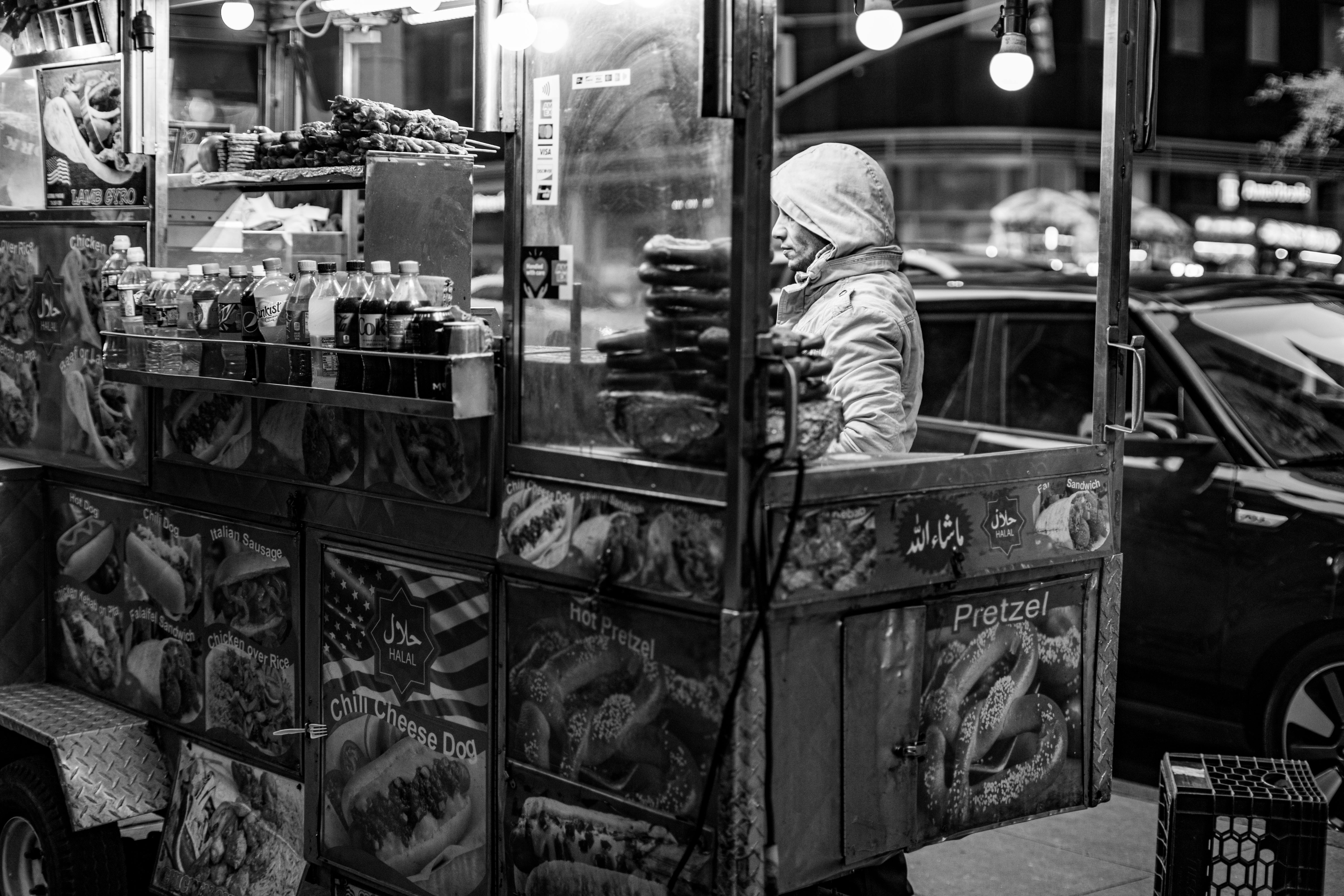
Street Food for Beginners in 2026 is a minefield! Discover the secret scams, hidden gems, and shocking health risks you MUST avoid to save your wallet and your health.
💰 Secure Top Deal: Go straight to the offer →
📍 More from this category: Street Food – All Articles
🔥 What's Happening Right Now in the US
Best Street Food 2026: Ultimate Comparison →
Step onto any major city street in the US in 2026, and you're immediately hit by a symphony of sizzling, aromatic chaos. The street food scene? It's not just back; it's exploded into a multi-billion dollar cultural phenomenon, a true American culinary renaissance. From the bustling sidewalks of NYC to the sun-drenched avenues of LA, and the quirky corners of Portland, mobile kitchens and pop-up stalls are everywhere.
This isn't your grandma's hot dog stand anymore. We're talking Michelin-star chefs experimenting with street concepts, AI-powered ordering systems, and drone-delivered lunch options becoming less of a novelty and more of a norm. The allure is undeniable: convenience, speed, incredible flavors, and often, a price point that seems too good to be true. But here's the kicker: with this explosive growth comes a new Wild West of culinary experiences, where genuine innovation rubs shoulders with outright deception and dangerous shortcuts.
The post-pandemic hunger for authentic, accessible dining has fueled this boom, with consumers craving connection and unique tastes. But this rapid expansion means regulations are struggling to keep up. Suddenly, what looks like a vibrant, diverse food culture can quickly turn into a gamble for your health and your hard-earned cash. The lines between a legitimate, passion-driven vendor and a fly-by-night operation looking to exploit the trend have blurred significantly, making it harder than ever for beginners to navigate.
The sheer variety is breathtaking – everything from artisanal ramen burgers to gourmet birria tacos, vegan soul food, and experimental dessert hybrids. It’s an exciting time, but one that demands a sharp eye and an informed palate. Our deep dive into the 2026 street food landscape reveals not just the incredible highs, but the very real, often hidden, lows that can catch unsuspecting foodies off guard.
💡 Why This Changes Everything For Your Wallet
You might think a $7 taco or a $12 gourmet sandwich is a steal. And sometimes, it absolutely is. But in 2026, the street food market is a minefield of hidden costs and potential financial pitfalls that can drain your wallet faster than you can say "food poisoning." The perceived affordability of street food is a powerful draw, but without the right knowledge, you could be paying a far higher price than the sticker tag suggests.
First, there's the scam factor. Counterfeit ingredients, watered-down sauces, or even misrepresented portions are becoming increasingly common tactics for unscrupulous vendors. You think you're getting premium wagyu when it's actually low-grade beef, or fresh seafood when it's been frozen for months. The subtle switch-ups save vendors money but leave you with an inferior product and a feeling of being ripped off. Your dollar isn't stretching as far as you believe.
Then there's the health aspect. A single bad meal from an unvetted street vendor can lead to days of illness, lost work, and unexpected medical bills. What seems like a cheap lunch can quickly escalate into hundreds, if not thousands, in healthcare costs. The CDC reports a worrying uptick in foodborne illnesses linked to pop-up eateries and temporary stalls that don't adhere to stringent health codes. This isn't just about a stomach ache; it's about potentially serious infections that can derail your life and empty your savings.
Furthermore, the rise of "ghost kitchens on wheels" means some food trucks are not what they seem. They might operate under multiple brand names, making it impossible to track their reputation or address hygiene concerns. You're paying for a brand experience that might be a façade, losing out on the authentic, high-quality street food experiences that truly offer value.
Understanding the nuances of the 2026 street food scene isn't just about finding the best meal; it's about protecting your financial future. It's about making informed choices that guarantee not only a delicious experience but also peace of mind. Our guide will empower you to discern genuine value from clever deception, ensuring your wallet stays full and your plate remains safe.
📈 The Surprising Data (Trending Now)
- "Gourmet Gutter" Surge & Price Premium: A recent 2026 culinary report by Foodie Analytics shows a 35% increase in consumer spending on "Gourmet Gutter" concepts – street food elevated with premium ingredients and often celebrity chef endorsements. While these offerings boast unique flavors, their average price point is now 60% higher than traditional street food, often rivaling casual sit-down restaurant prices. Consumers are willing to pay for perceived quality, but often lack the knowledge to verify it.
- QR Code Health Scares & Digital Disinformation: The widespread adoption of QR code menus and cashless payment systems has created a new vector for scams. Data from the National Food Safety Alliance indicates a 28% rise in reported foodborne illnesses linked to vendors operating solely through digital platforms, many of whom have no physical storefront or easily traceable permits. Fake online reviews and misleading digital branding are making it harder than ever for beginners to identify trustworthy vendors, proving that a high star rating doesn't always translate to high hygiene.
💰 Best Options in Comparison (MONEY GENERATING SECTION)
Navigating the vibrant, yet treacherous, world of 2026 street food requires a strategic approach. Forget random dives; we’ve distilled the options into categories that balance flavor, safety, and value. This isn't just about eating; it's about smart culinary investment.
- Top Choice: Certified Culinary Collective Food Trucks (Why they win)
These aren't your typical lone wolf food trucks. Certified Culinary Collectives are curated groups of vendors, often operating under strict local health department oversight and community-driven quality standards. Think of them as the "Good Housekeeping Seal" of street food. They often participate in recurring food festivals, designated food truck parks, or specific urban zones with high foot traffic. Their transparency is key: clear signage, visible health permits, and often digital menus with allergen information. They invest in high-quality, locally sourced ingredients, which translates to superior taste and reduced health risks. While their price point might be slightly higher than a random stall ($10-$20 per entree), the consistency, innovation, and peace of mind offer unparalleled value. Many now integrate with popular food delivery apps, allowing for pre-ordering and convenient pick-up, further enhancing the customer experience. This is where you find true culinary artistry meeting stringent food safety standards. - Alternative Choice: Hyper-Local Pop-Up Pacesetters (Budget/Premium)
This category splits into two distinct, yet often intertwined, experiences.- Budget-Friendly: The "Next Big Thing" Pop-Ups. These are often new chefs or culinary students experimenting with unique concepts. They operate on razor-thin margins, focusing on specific, often niche, dishes. They are usually found in temporary locations, farmers' markets, or through social media announcements. The risk here is slightly higher for consistency and hygiene, but the reward can be immense: incredible, innovative food at an unbeatable price ($5-$12 per entree). Look for long lines, word-of-mouth recommendations, and active, transparent social media presence. Always check for basic hygiene (gloves, clean surfaces) before committing.
- Premium: Established Artisan Stalls. These are the seasoned veterans, often specializing in one or two dishes they've perfected over years. They might not be "certified collectives," but their reputation precedes them. Think legendary taco stands or bagel carts that have been community fixtures for decades. They command a premium ($15-$25+ per entree) due to their consistent quality, often proprietary recipes, and use of premium, often organic, ingredients. They are an "investment" in an authentic, high-quality culinary experience. Their long-standing presence and loyal customer base are your best indicators of trustworthiness.
To help you navigate these choices and ensure you're getting the best bang for your buck and peace of mind, here's a detailed comparison:
| Feature | Certified Culinary Collective Food Trucks | Hyper-Local Pop-Up Pacesetters (Budget) | Established Artisan Stalls (Premium) | Unvetted Street Stalls (Avoid) |
|---|---|---|---|---|
| Price Range (USD) | $10 - $20 | $5 - $12 | $15 - $25+ | $3 - $10 (often too good to be true) |
| Food Safety Score (1-5, 5=Best) | 4.5 - 5 | 3 - 4 (variable) | 4 - 5 | 1 - 2 (high risk) |
| Innovation | High (cutting-edge concepts) | Very High (experimental) | Moderate (masterful classics) | Low (copycat/basic) |
| Authenticity | High (curated, unique) | High (passion-driven) | Very High (traditional, perfected) | Low (generic, uninspired) |
| Risk Level (Health/Scam) | Low | Medium (requires vetting) | Low | Very High |
| Best For... | Reliable gourmet experience, beginners | Adventurous eaters, discovering new talent | Classic, high-quality, proven dishes | Gamblers, those with strong immune systems |
| Key Indicator | Visible permits, collective branding, online reviews, clean setup | Social media buzz, long lines, unique concept, chef interaction | Decades of reputation, consistent quality, loyal local following | No visible permits, questionable hygiene, aggressive hawking, generic offerings |
📌 Expert Verdict & 2026 Outlook
The street food landscape of 2026 is a paradox: incredibly exciting and dangerously deceptive all at once. For beginners, the sheer volume and variety can be overwhelming, leading to costly mistakes in both dollars and health. Our expert verdict is clear: while the allure of spontaneous street eats is powerful, informed caution is your best friend. Don’t let the vibrant energy blind you to the potential hazards. The era of blindly trusting any colorful cart is over.
The future of street food in the US is undeniably digital and increasingly specialized. Expect more hyper-focused culinary niches, driven by AI-powered trend analysis and personalized recommendations. We foresee a further consolidation of reputable vendors into "digital collectives" or app-based ecosystems that offer a layer of vetting and consumer protection. Cashless transactions will become near-universal, and drone delivery from mobile hubs will likely expand beyond novelty into mainstream service, especially in dense urban centers.
However, this digital shift will also empower the less scrupulous. Fake reviews, AI-generated positive feedback, and untraceable digital footprints will continue to pose significant challenges. Your ability to critically evaluate online information and observe on-site hygiene will become paramount. Always prioritize transparency: can you see the food being prepared? Are the staff wearing gloves? Is the payment system secure and traceable?
Our final advice for the beginner street food enthusiast in 2026 is this: Be curious, but be discerning. Seek out vendors who proudly display their health permits and certifications. Leverage reputable food apps that offer verified reviews and robust customer service. Don't be afraid to ask questions about ingredients and sourcing. Invest a little more in options that offer proven quality and safety – the long-term savings in health and satisfaction far outweigh the upfront cost difference. The street food journey can be an incredible adventure for your taste buds, but only if you navigate it with wisdom and an educated eye. Happy eating, and stay safe out there!
👉 More News: Crisis-Proof Your Plate: 2026 Healthy Eating Deals Reviewed