
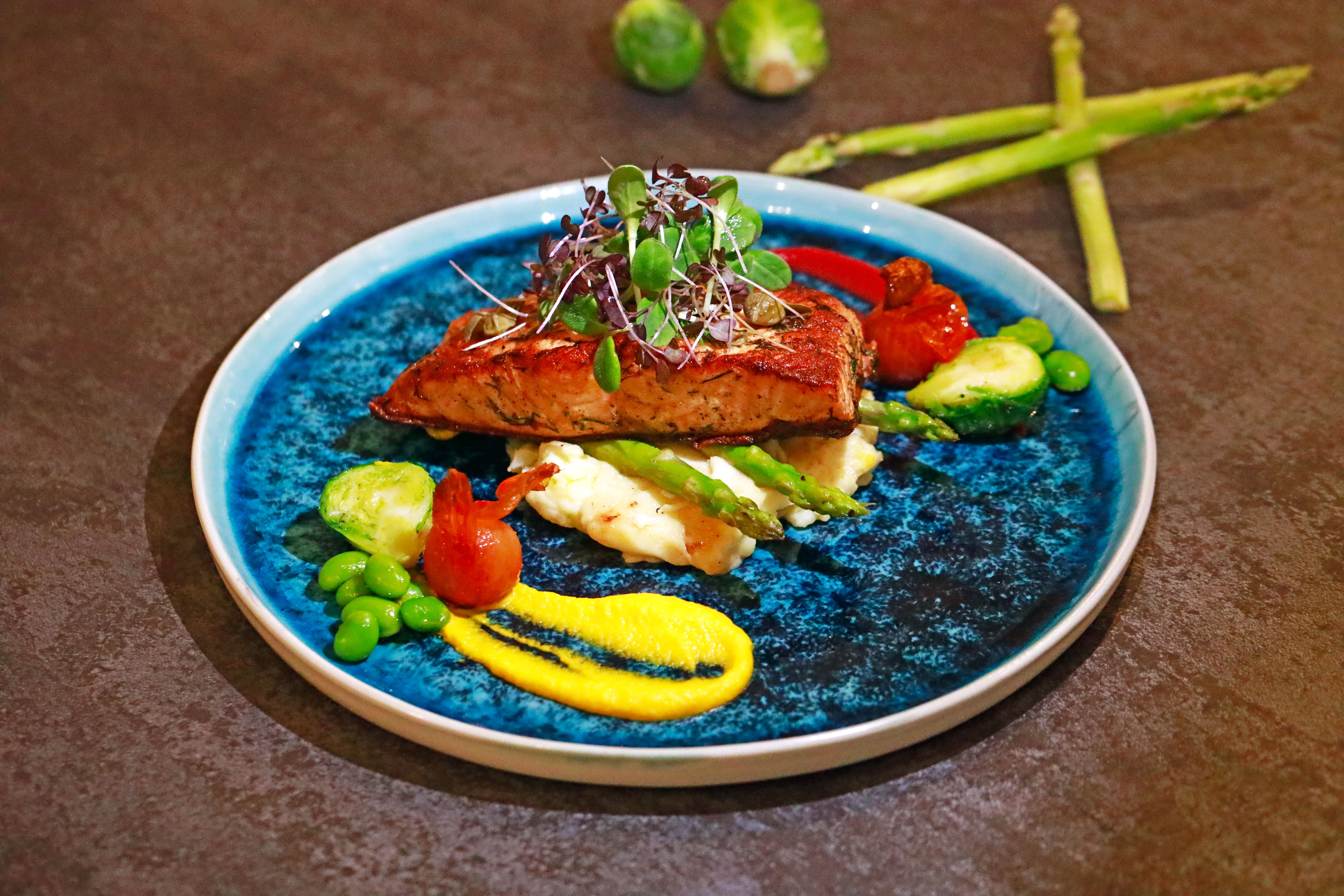
Forget broad national cuisines – in 2026, the culinary world is diving deep into hyper-regional flavors. Discover why authentic local delicacies from Puglia, Oaxaca, and Hokkaido are trending, how to experience them firsthand through culinary travel, online cooking classes, and gourmet meal kits, and find the best services to book your next gastronomic adventure.
Introduction to the Topic
The year is 2026, and the global palate has never been more sophisticated. For years, we’ve celebrated the grand narratives of Italian, French, Mexican, or Japanese cuisine. But a new, more granular movement is sweeping the culinary landscape, inviting us to explore the exquisite nuances that lie just beneath the surface: hyper-regional cuisine. This isn't just about a country's food; it's about the distinct flavors, ingredients, and cooking traditions unique to a specific valley, a coastal town, or a mountain village. It’s a celebration of terroir, history, and local ingenuity, offering an unparalleled depth of flavor and cultural immersion. As discerning foodies seek more authentic, unique, and sustainable experiences, hyper-regional cuisine has emerged as the definitive trend, promising not just a meal, but a story on a plate.
Backgrounds & Facts
The shift towards hyper-regionality isn't accidental; it’s a natural evolution driven by several converging factors. Firstly, increased global travel and digital connectivity have exposed more people to the incredible diversity within national cuisines. A foodie who’s visited Rome now yearns to understand the distinct culinary identity of Sicily or Emilia-Romagna. Secondly, there's a growing appreciation for artisan producers and traditional methods. Consumers are actively seeking out ingredients with a traceable provenance, valuing the heritage behind a specific cheese from the Basque Country or a unique chili from Oaxaca.
Furthermore, the sustainability movement plays a crucial role. Focusing on local, seasonal ingredients, which is inherent to hyper-regional cooking, reduces carbon footprints and supports local economies. This aligns perfectly with the conscious consumer of 2026, who wants to enjoy delicious food while also making ethical choices. The rise of specialized food media, documentaries like Netflix’s “Chef’s Table,” and social media influencers highlighting obscure culinary gems have also fueled this trend, creating a demand for experiences that go beyond the mainstream.
Consider the stark differences: while 'Italian food' might conjure images of pasta and pizza, diving into Puglian cuisine reveals a world of orecchiette with turnip tops (cime di rapa), friselle, and a heavy reliance on fresh seafood and robust olive oil. In Mexico, beyond tacos and enchiladas, Oaxacan cuisine boasts complex moles, tlayudas, and a vibrant insect gastronomy. Japan isn't just sushi; Hokkaido's culinary identity is defined by its pristine seafood (uni, crab), dairy products, and unique ramen styles. These aren't mere variations; they are distinct culinary ecosystems, each with its own language of flavor, technique, and tradition.
Expert Opinion / Analysis
“The days of generic ‘ethnic food’ are long gone,” states Dr. Anya Sharma, a leading food anthropologist at the Global Culinary Institute. “What we’re seeing in 2026 is a profound yearning for authenticity and a deeper connection to food’s origins. People aren’t just eating; they’re seeking to understand the cultural narratives embedded in each dish. Hyper-regional cuisine offers that authenticity in spades.”
Chef Marco Rossi, whose Michelin-starred restaurant in Milan recently pivoted to focus solely on Lombardian regional dishes, concurs. “For years, my menu was a 'best of Italy.' Now, by focusing on the ingredients and traditions of Lombardy, we’ve found a new depth, a new story to tell. Our guests are more engaged, more curious. They’re buying our local olive oils and cheeses online after their meal, wanting to recreate a piece of that experience at home.”
Industry analyst Sarah Jenkins from Food Trends Global highlights the economic impact: “This trend is a goldmine for specialized culinary tourism operators, specialty food retailers, and online cooking platforms. Consumers with high disposable income are willing to pay a premium for truly authentic ingredients, bespoke travel experiences, and expert-led virtual classes that unlock these unique culinary worlds. Companies that can curate and deliver these specific regional experiences are seeing exponential growth in 2026.” She adds, “The keyword 'authentic' paired with specific regions – like 'authentic Sicilian cannoli' or 'Oaxacan mole paste buy online' – are among the highest-performing search terms right now for purchasing intent.”
💰 Best Options in Comparison (VERY IMPORTANT)
Ready to embark on your hyper-regional culinary journey? Whether you prefer hands-on learning, armchair exploration, or a full immersion, here are the best ways to experience these incredible flavors in 2026, along with top providers to consider:
- Immersive Culinary Travel & Food Tours: Nothing beats experiencing a region's food firsthand. These tours often include cooking classes, market visits, and exclusive dining experiences with local chefs. Ideal for those seeking deep cultural immersion and unforgettable memories.
- Online Hyper-Regional Cooking Classes: For a more accessible option, virtual classes connect you directly with chefs and home cooks from specific regions. Learn traditional techniques and recipes from your own kitchen, often with ingredient lists that help you source specialty items.
- Gourmet Hyper-Regional Meal Kits & Ingredient Boxes: These services deliver pre-portioned, often hard-to-find, authentic ingredients and recipes straight to your door. Perfect for busy foodies who want to experiment with new flavors without the hassle of extensive sourcing.
- Specialty Ingredient Retailers & Subscription Boxes: For those who love to cook from scratch, these platforms specialize in sourcing and delivering authentic, high-quality ingredients specific to certain regions, from rare spices to artisan cheeses and unique olive oils.
| Experience Type | Top Providers (2026) | Best For | Average Price Range | Key Benefits |
|---|---|---|---|---|
| Culinary Travel & Tours |
|
Deep immersion, cultural learning, luxury experiences | $$ (Luxury to Mid-range) | Authentic encounters, expert-led, all-inclusive options |
| Online Cooking Classes |
|
Home cooks, skill development, flexible learning | $ (Per class or subscription) | Convenient, interactive, direct chef interaction |
| Gourmet Meal Kits & Boxes |
|
Busy professionals, culinary explorers, easy gourmet meals | $$ (Per box or subscription) | Convenient, authentic ingredients, pre-portioned, new recipes |
| Specialty Ingredient Retailers |
|
Home chefs, specific ingredient sourcing, DIY cooking | $ (Per item) | High-quality, hard-to-find ingredients, supports artisan producers |
Note: Prices are indicative for 2026. Always check current offerings and reviews before booking or purchasing.
Outlook & Trends
The hyper-regional movement is far from peaking. In fact, it's set to become even more granular. We predict an increased focus on micro-regionality, exploring the distinct culinary traditions of even smaller communities or specific islands. Expect to see more chefs specializing in a single, hyper-focused cuisine, pushing the boundaries of what 'traditional' can mean.
Technological advancements will also play a key role. AI-powered platforms will likely offer personalized hyper-regional meal plans and ingredient sourcing suggestions based on dietary preferences and geographical location. Virtual reality culinary tours, allowing users to 'walk' through an Oaxacan market or a Puglian olive grove, could become mainstream, enhancing the educational and immersive experience before a real-world trip. Furthermore, the ethical sourcing and fair trade aspects of regional ingredients will become even more prominent, with consumers demanding full transparency from farm to fork. The future of food is deeply rooted in its past, offering an exciting journey of discovery for every palate.
Conclusion
Hyper-regional cuisine is more than just a trend; it's a re-evaluation of how we connect with food, culture, and place. It invites us to slow down, appreciate the intricacies, and savor the stories behind every bite. Whether you choose to travel the world, learn from a master chef online, or have gourmet ingredients delivered to your doorstep, 2026 is the year to truly unlock the incredible diversity of global flavors. Don't just eat – explore, learn, and immerse yourself in the authentic tastes of the world. Your next unforgettable gastronomic adventure awaits!